

© Evaneos
Top destinations of the moment in the world
Our favorites in South America
Our favorites in Central America
Our favorites in Africa
Our favorites in North America
Our favorites in Asia
Our favorites in Middle East
Our favorites in Oceania

Capao Vacations
One of the famous valleys of the sublime Chapada Diamantina, Vale do Capão is well known for its hippy villages and its landscapes, which offer great potential for hiking and extreme sports.
Visit Capao
- Handicraft
- Art & Culture
- Nature, Adventure & Sport
Capao: How to get there?
One or two hours by road from Lençóis
Capao: When to go?
All year round
Capao: For how long?
2 to 3 days
Learn more about your destination
Capao: What to see in the surroundings?
What our travelers think about their stay
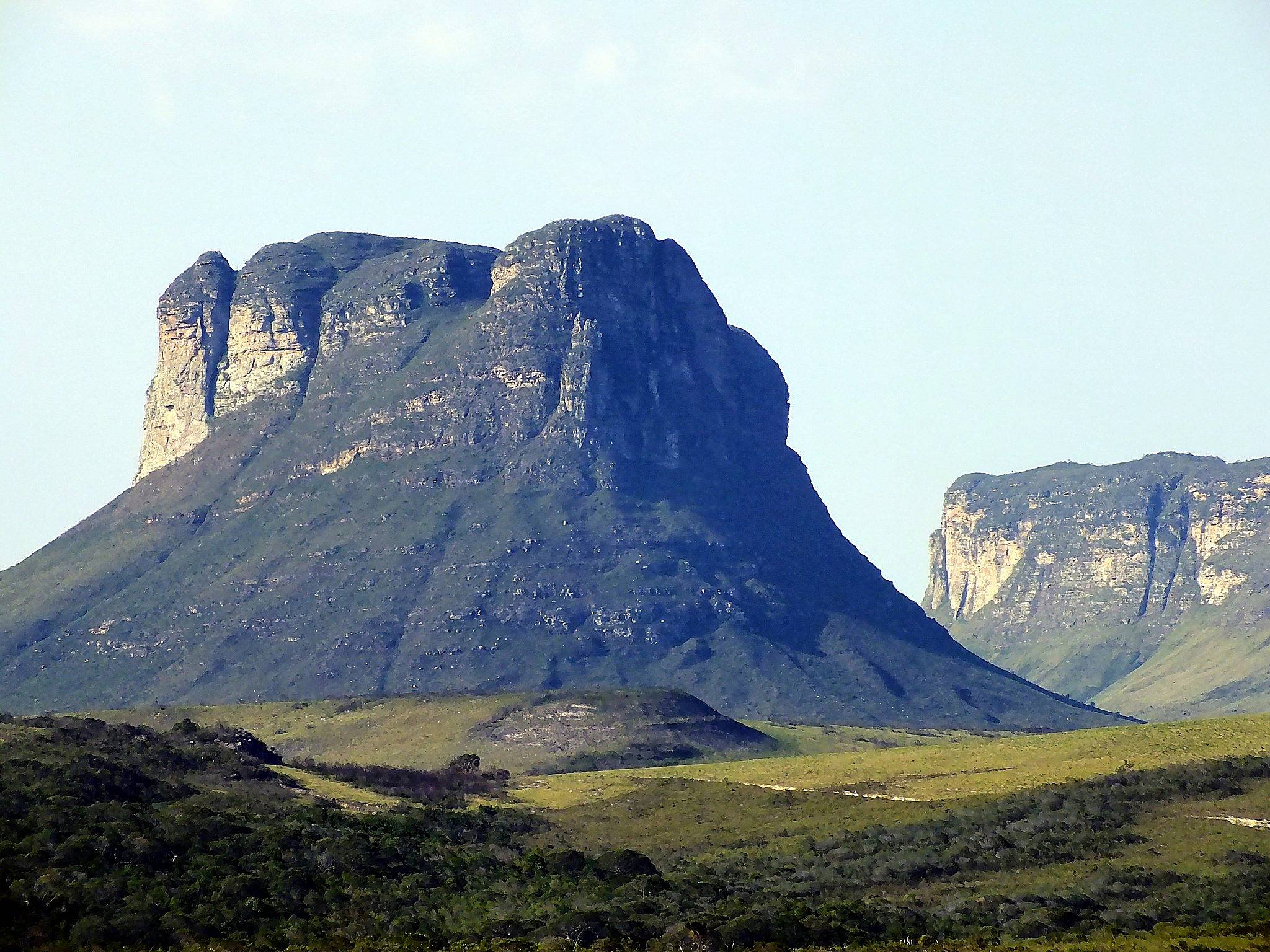
One of the famous valleys of the sublime Chapada Diamantina, Vale do Capão is well known for its hippy villages and its landscapes, which offer great potential for hiking and extreme sports.
My suggestion
If, like me, you prefer the natural outdoors to noisy, polluted towns and cities, treat yourself to a stay of at least five days in the Chapada Diamantina region.
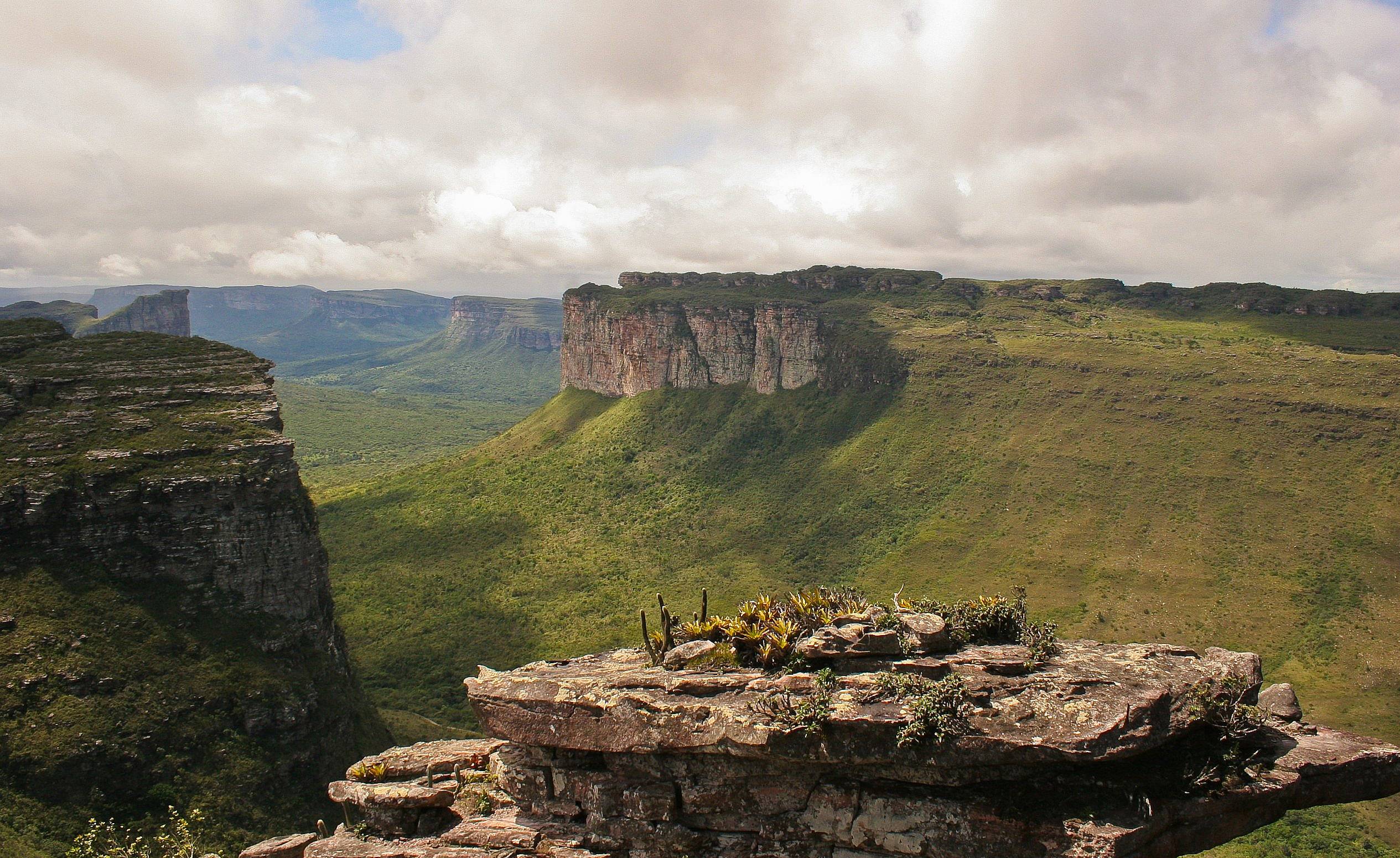
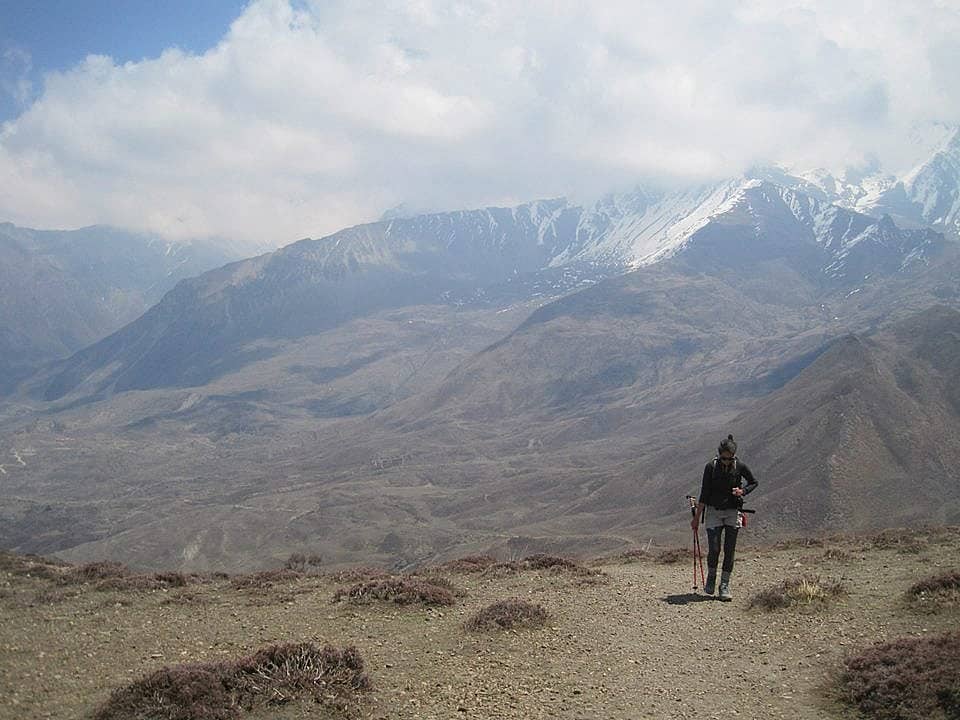
A village situated in central Bahia, and a quieter entry point than neighboring Lençois, if you're planning to explore the Chapada de Diamantina.
My suggestion
If you can afford it, go paragliding over the area; the view is breathtaking.
Brazil: our articles for your vacation

Stopped by the Rio de Janeiro
Before even setting foot there, everyone knows Rio de Janeiro its Concorvado, its Sugarloaf. However, nothing will prepare the amazement that will come with each moment. Magic..
Continue reading

Trip on the Cocoa Route
Between Itacaré in the north and Canavieras in the south of the State of Bahia, the Cocoa Route is becoming one of the must-see locations for those travelling to Brazil. On the 180km that separate the two cities, visitors will discover large farms where the manufacture of chocolate chips is at the heart of the activity, mangroves and a primary forest, "Mata Atlantica".
Continue reading

Discover Recife and its surroundings
The fifth city of Brazil, situated in the north-east of the country, is generally forgotten by tourists. Despite a reputation that is sometimes a little rough, the city which unites large avenues, tall buildings and old colonial buildings, has something to charm you. In the surroundings, the city of Olinda and the beaches of Porto das Galinhas are much more popular among tourists.
Continue reading
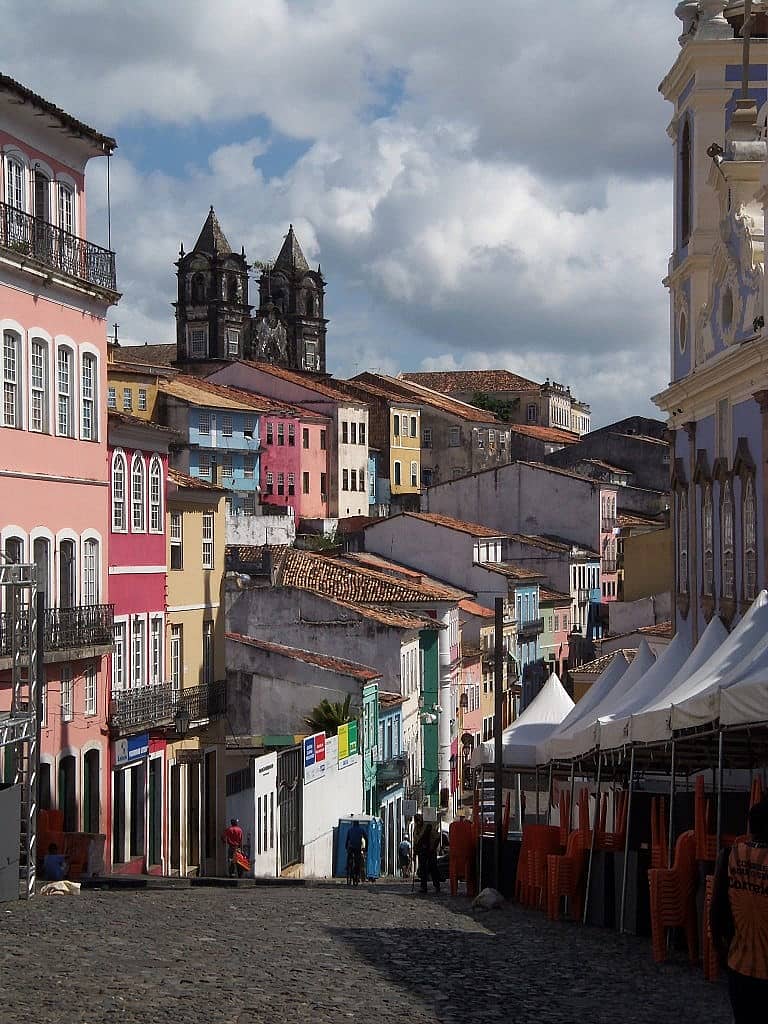
Salvador de Bahia, immersion in the Bay of All Saints
Although the reputation of the Rio carnival may have faded, it's not the only city in Brazil that knows how to party. The proof is in Salvador de Bahia, the capital of Nordeste where rumba rings in every street corner.
Continue reading
