Top destinations of the moment in the world

Our favorites in Asia

Our favorites in Central America
Our favorites in Africa
Our favorites in North America
Our favorites in South America
Our favorites in Middle East
Our favorites in Oceania
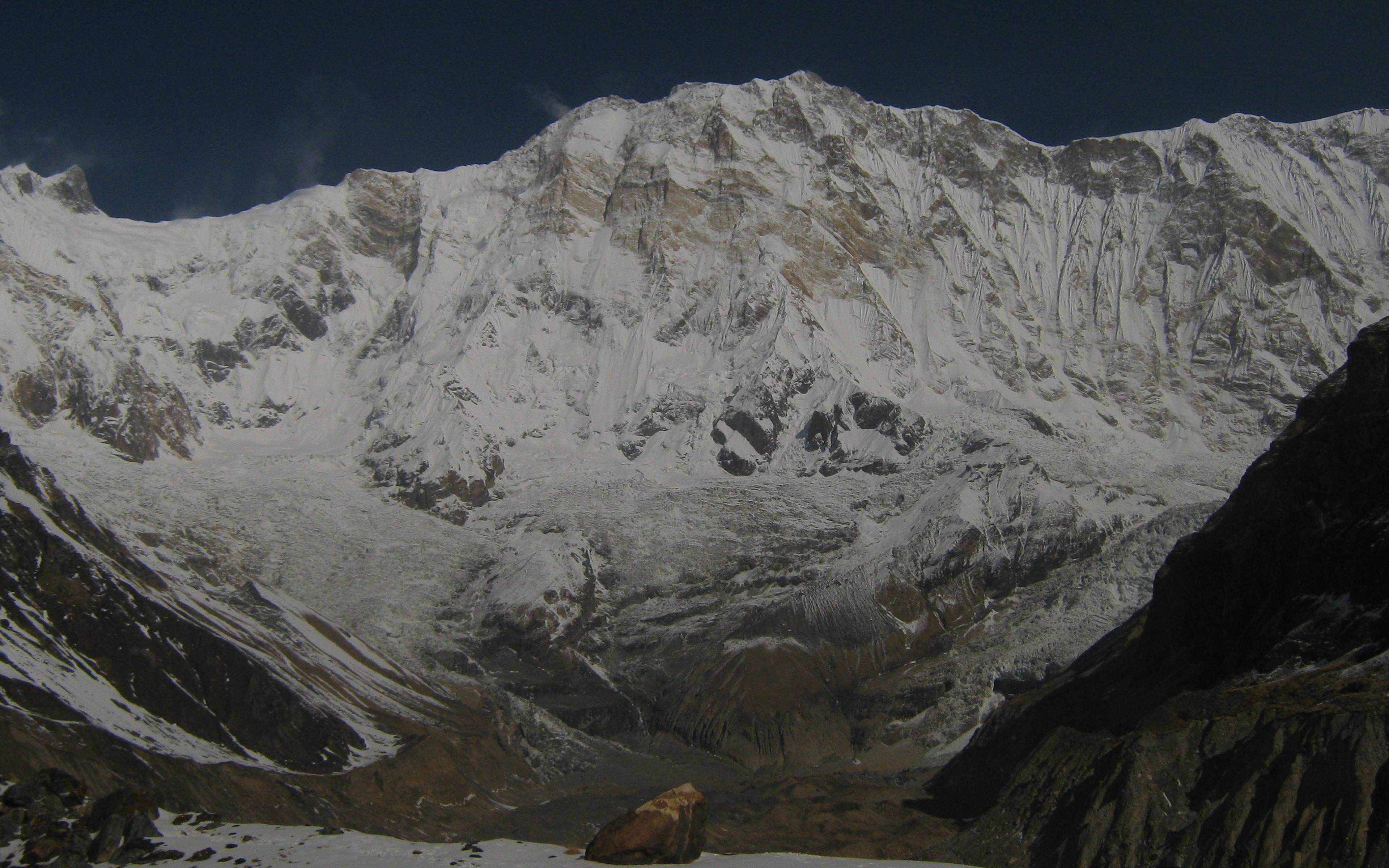
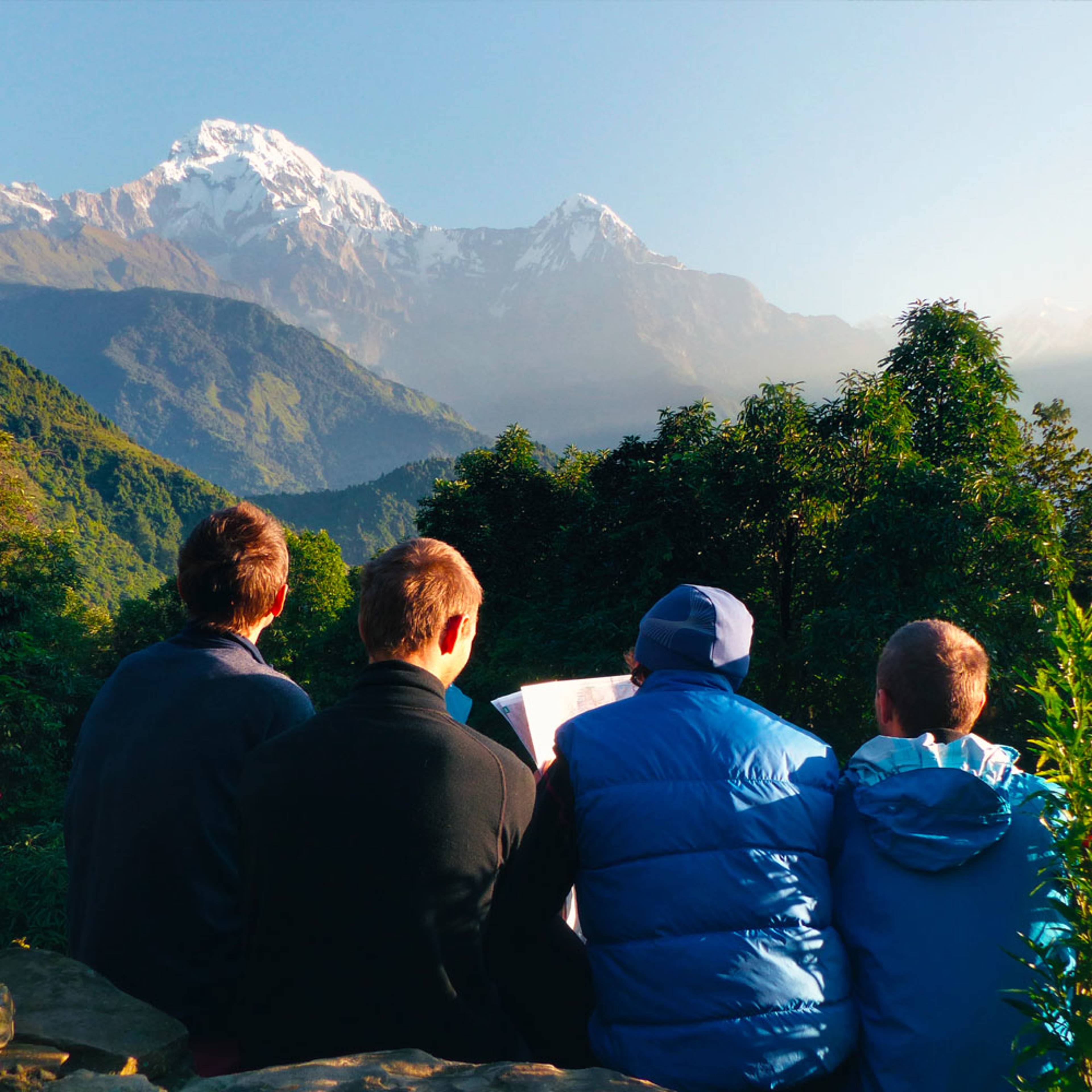
The Annapurnas is a mountain range in central Nepal that comprises of several peaks of over 7,000m, the highest being Annapurna l at 8,091m.
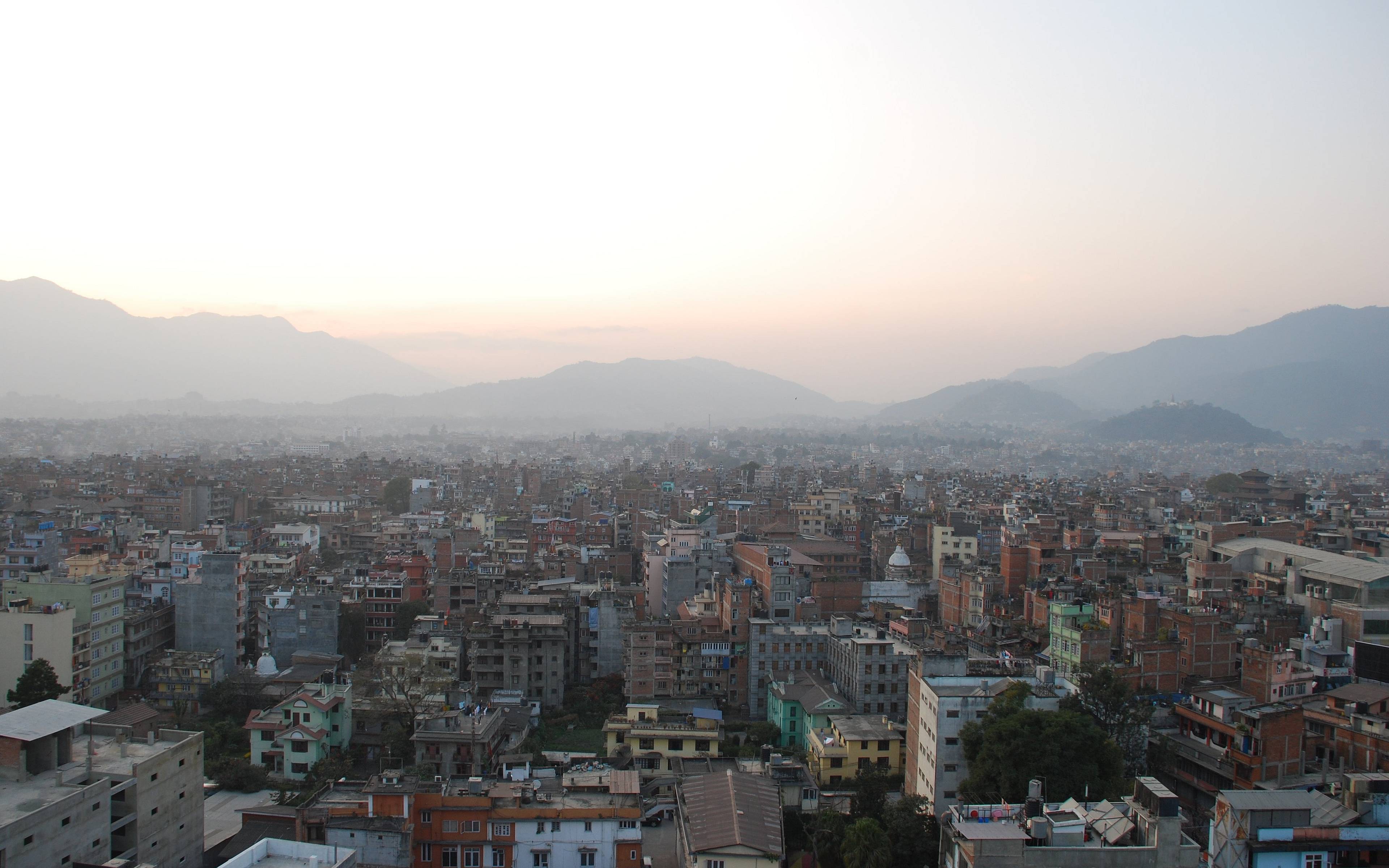
The Kathmandu Valley displays an ensemble of protected sites, cultivated fields, mountain villages and medieval cities surrounding the capital. It is one the most varied scenic regions of the country, with rolling countryside.
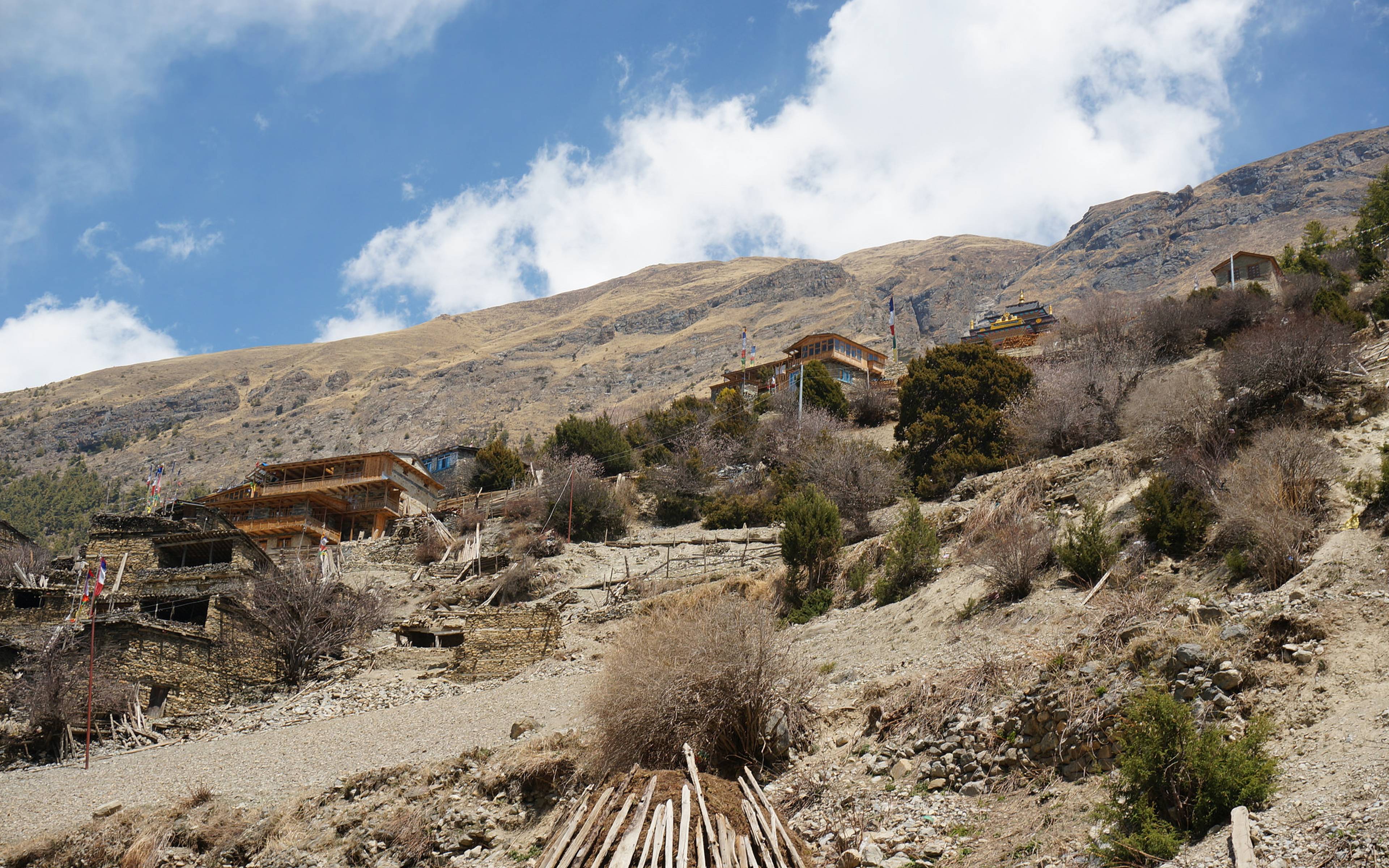
An essential stopover before attacking the Annapurnas mountains - at 3,185m you'll need all your strength to cover its rocky, vertiginous heights.
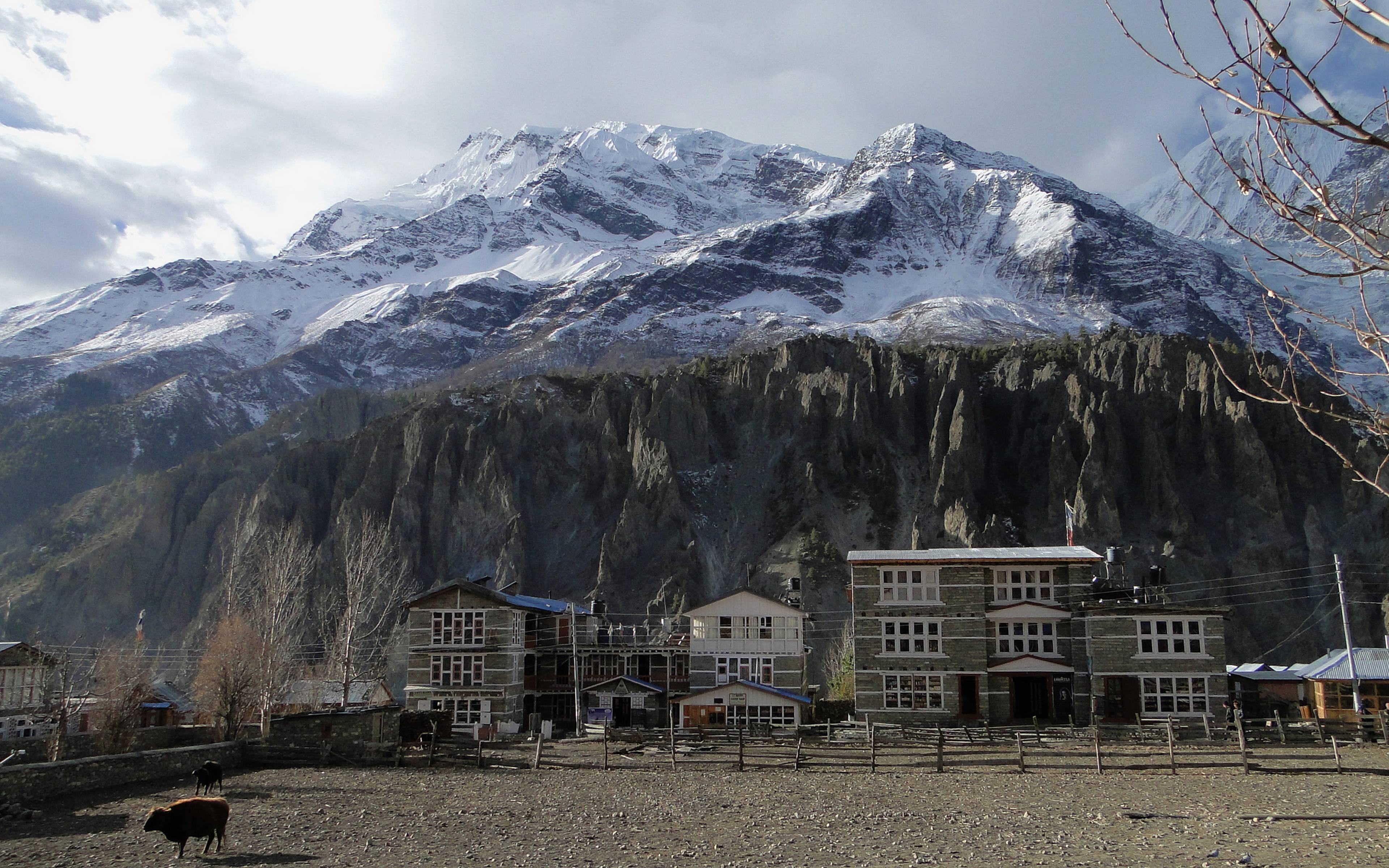
Manang is a mandatory stop in the trek. This time-out allows the body to acclimatise to the to the lower oxygen levels of high mountains. The Annapurnas mountain range is an excellent opportunity for hiking amateurs wishing to exploit their passion.
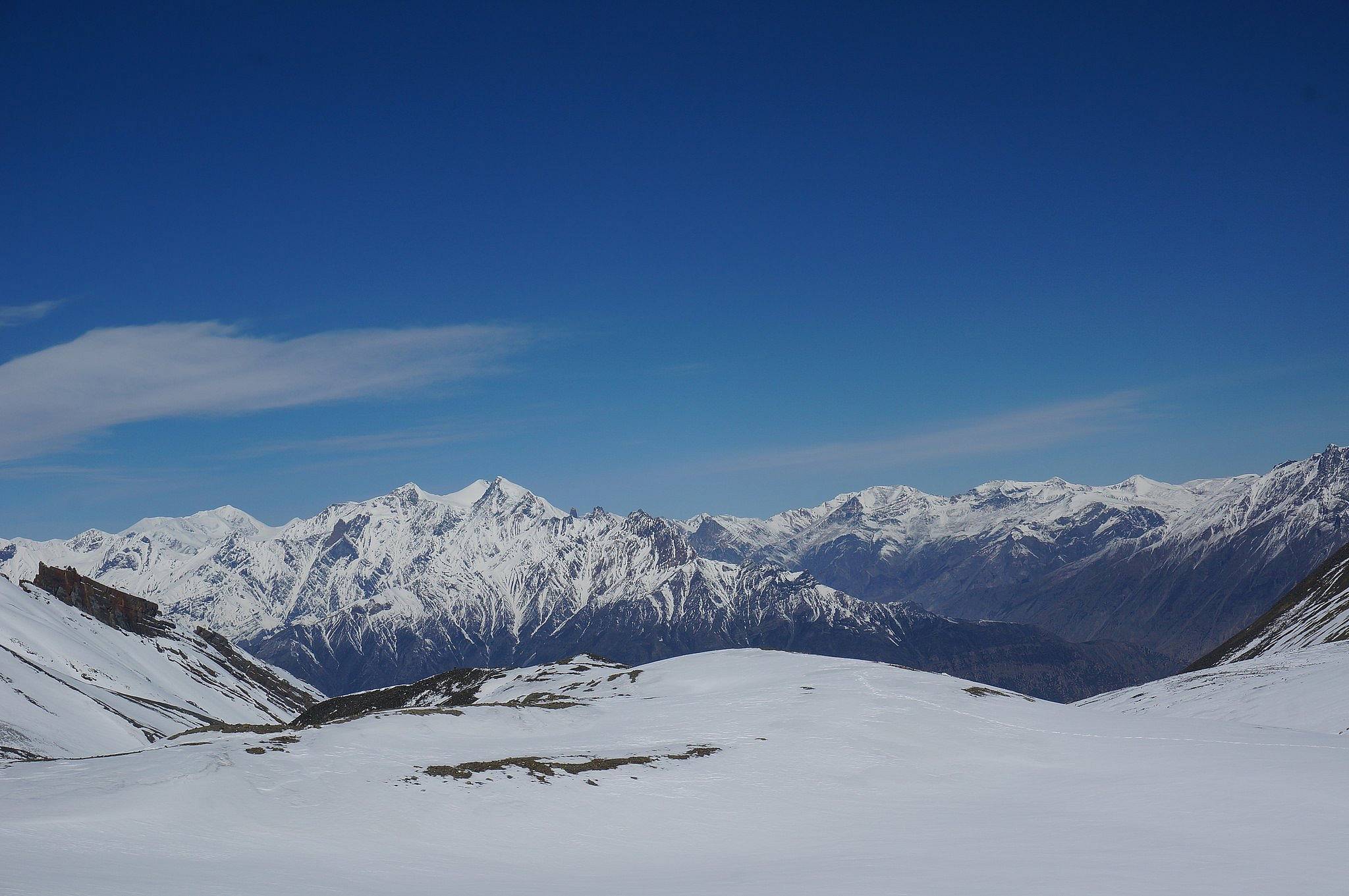
The Thorang La pass is the highest pass in the world, with an altitude of 5416 metres.
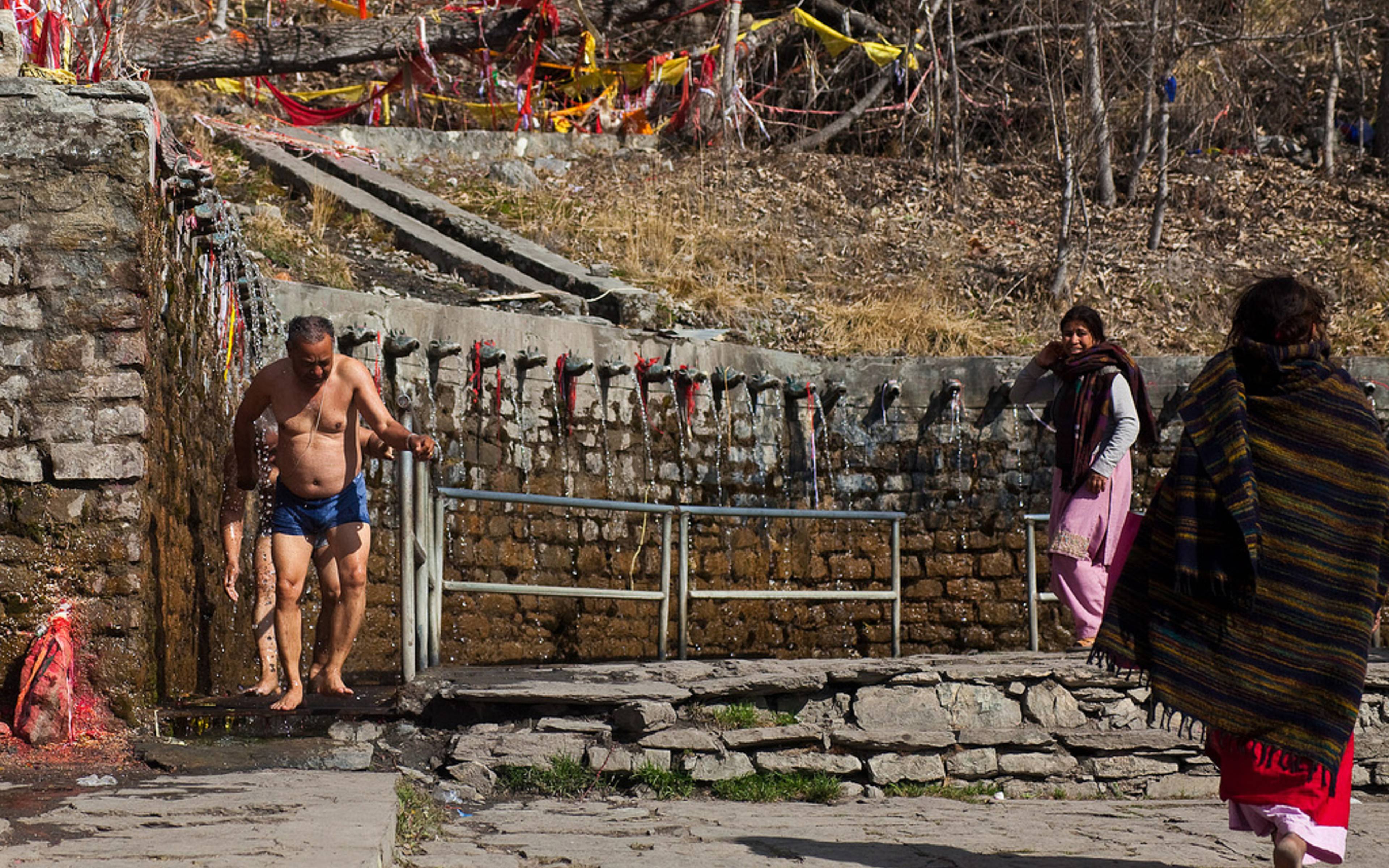
It's a decisive moment during the Annapurnas circuit, with the Thorung La Pass at 5,614m next on the agenda.
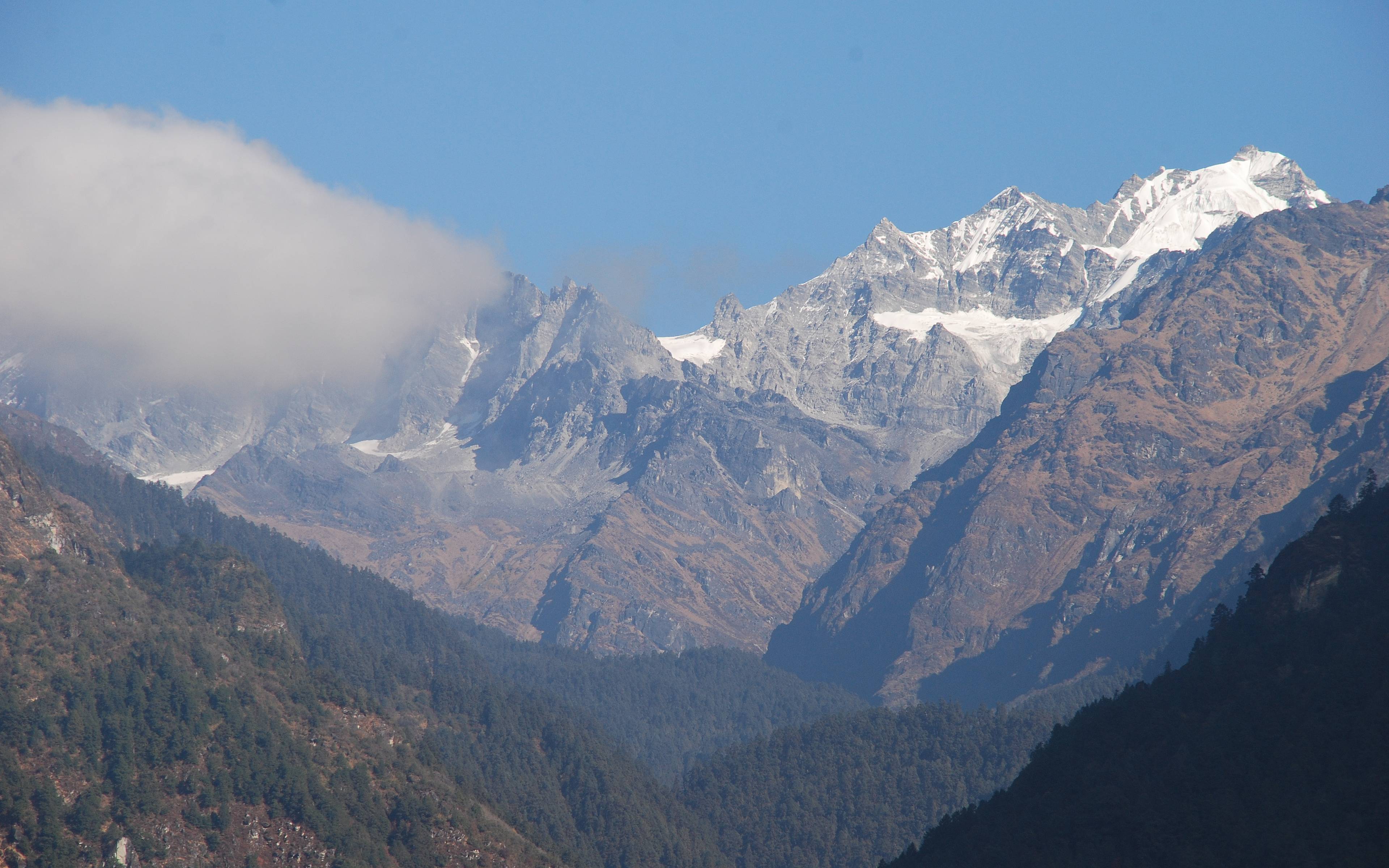
Langtang was one of the most beautiful trekking stops in the whole of Nepal. It's now also called "martyr", following the earthquake of 25th April 2015 which completely destroyed it.
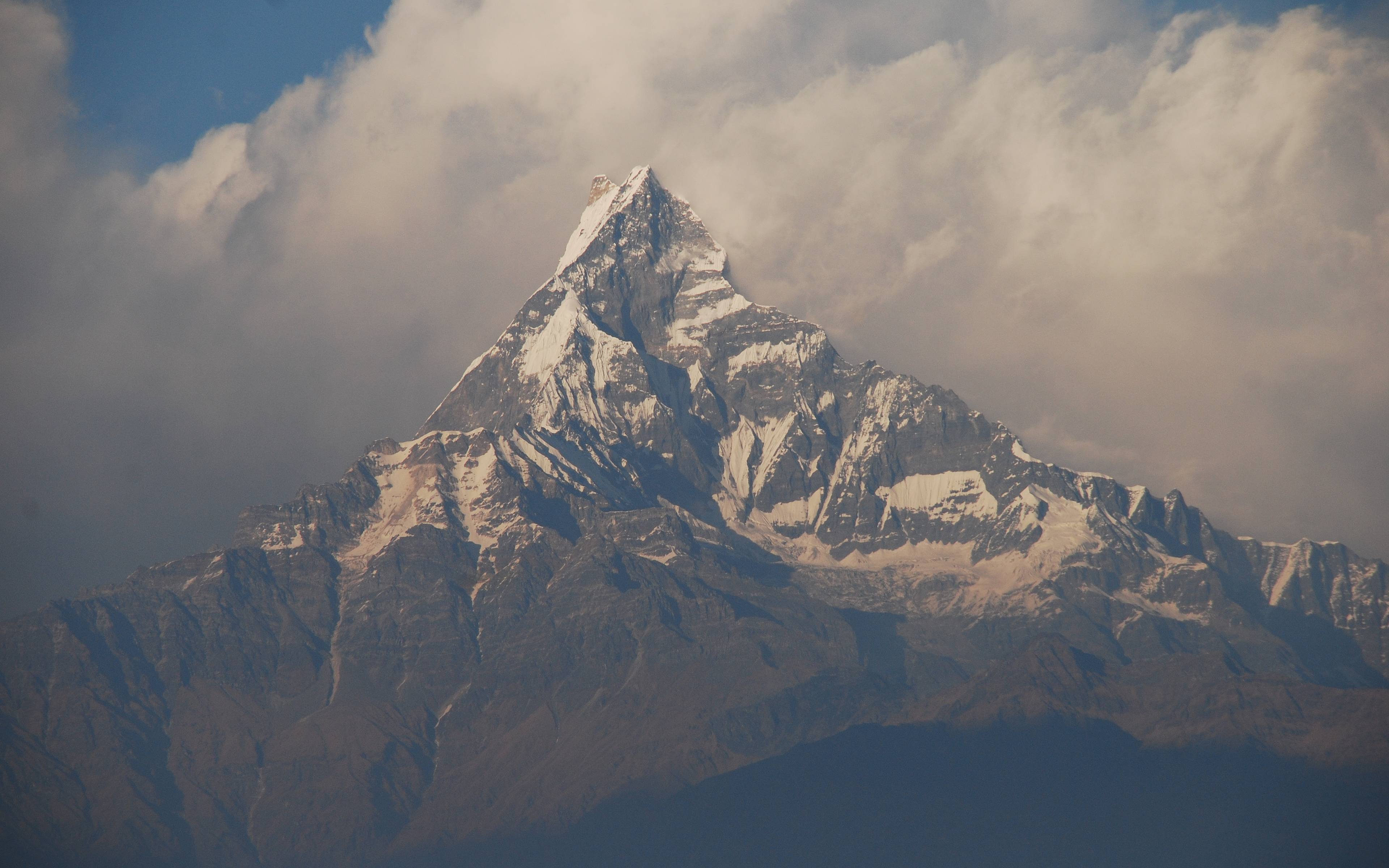
Machapuchare is a sacred mountain in the Annapurnas range in central Nepal. It's peak is 6,993m high.
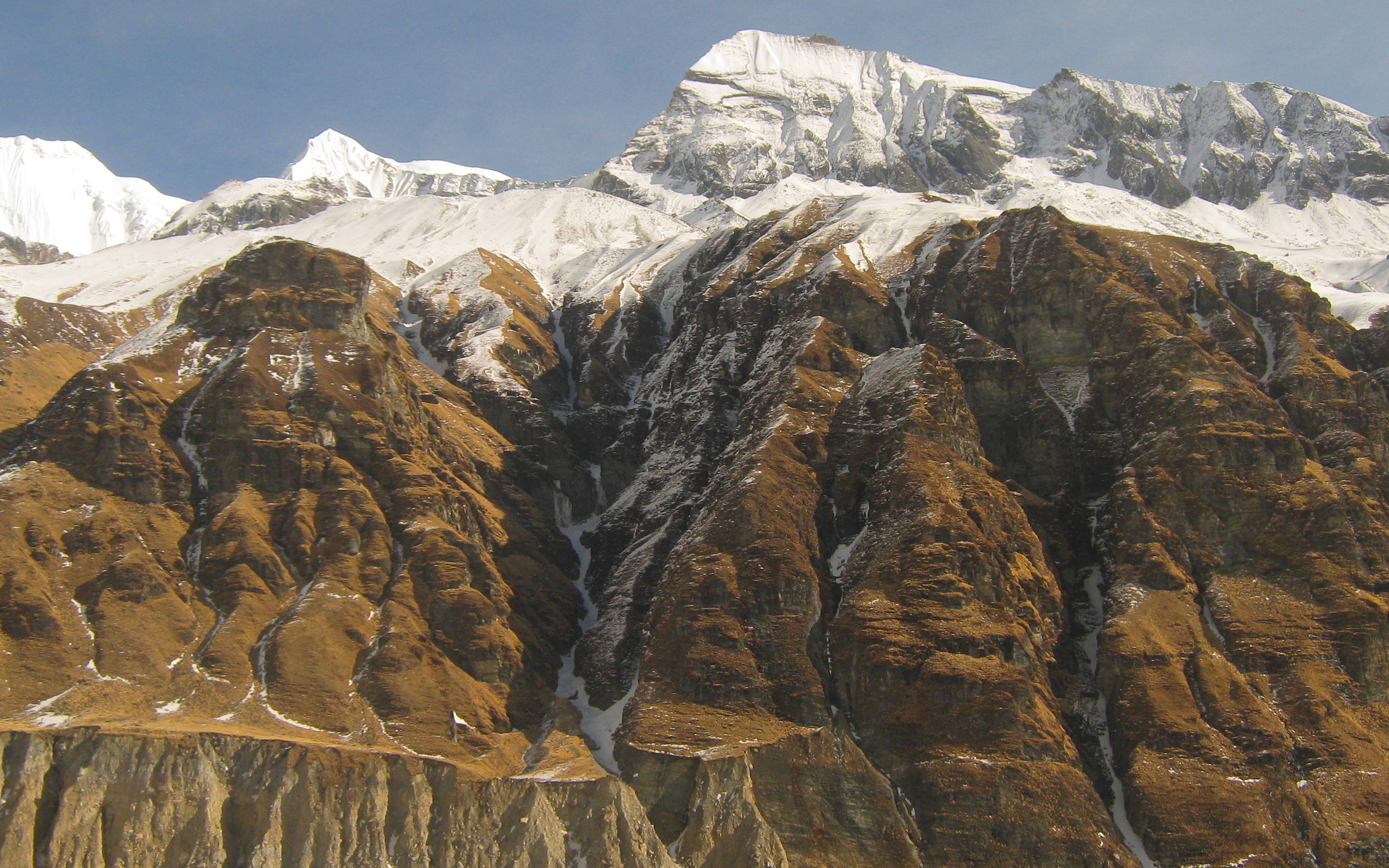
The Annapurna Sanctuary Trek leads up to the Annapurna Base Camp, which lies at an altitude of 4,100 metres.
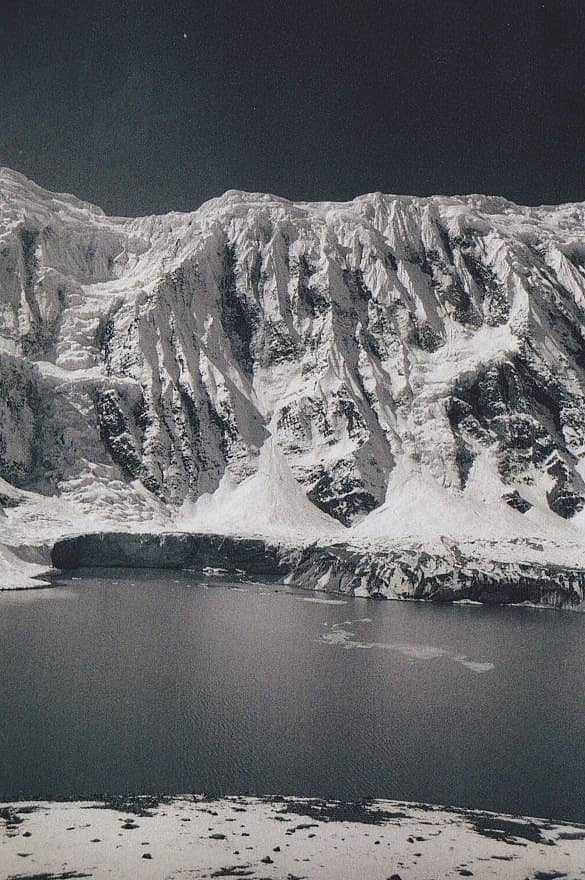
It was but an option... But if you enjoy trekking, it's a must do! It would be a real shame to be in such close proximity to this beautiful all-white lake which sits at an altitude of 5000 metres – and ultimately miss out.
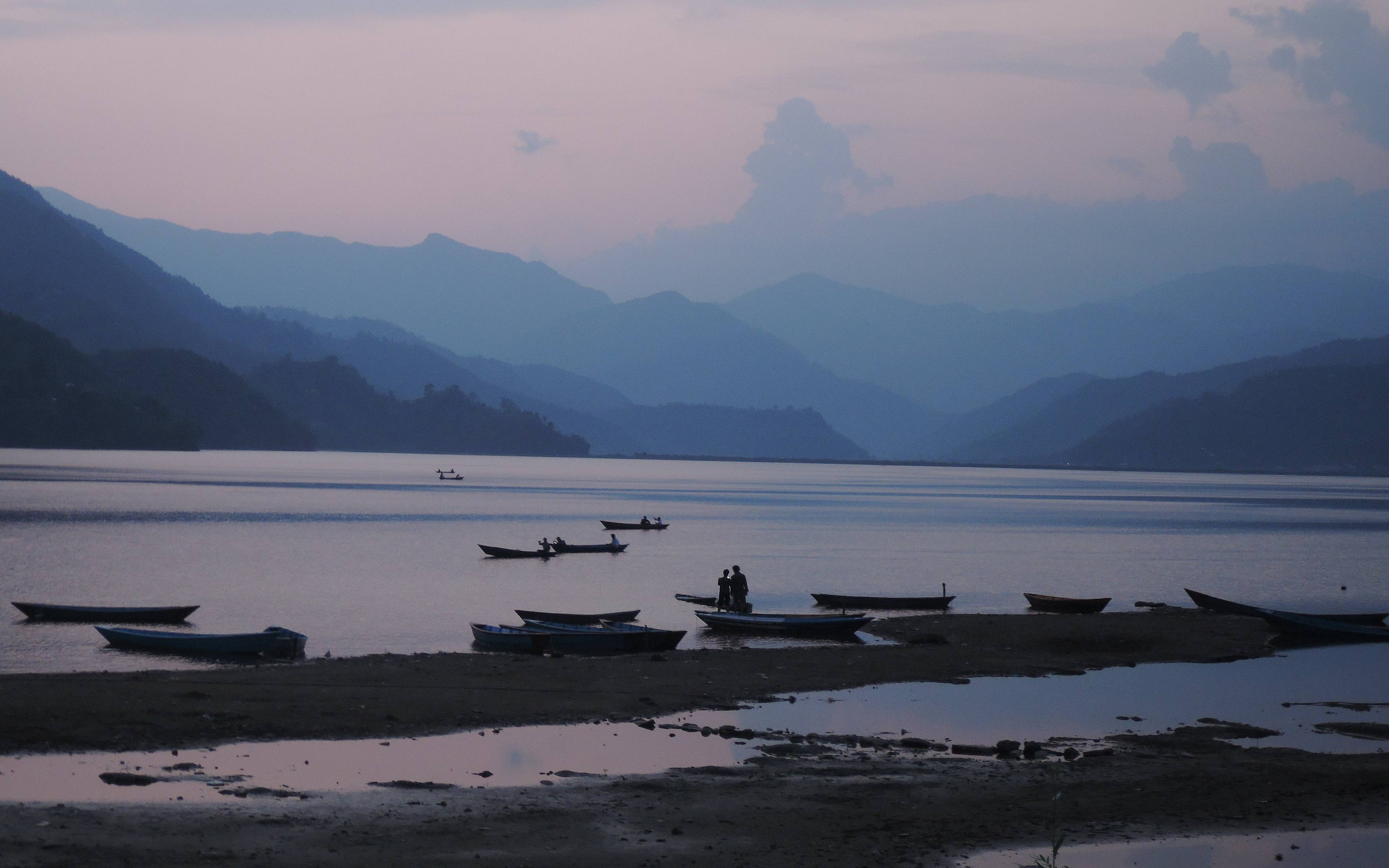
Phewa Tal, with reflective waters that are sometimes emerald, ochre, mauve or purple depending on the time of day, is the second largest lake in Nepal. Located in the Pokhara region, it is one of the main attractions for the people of the country.
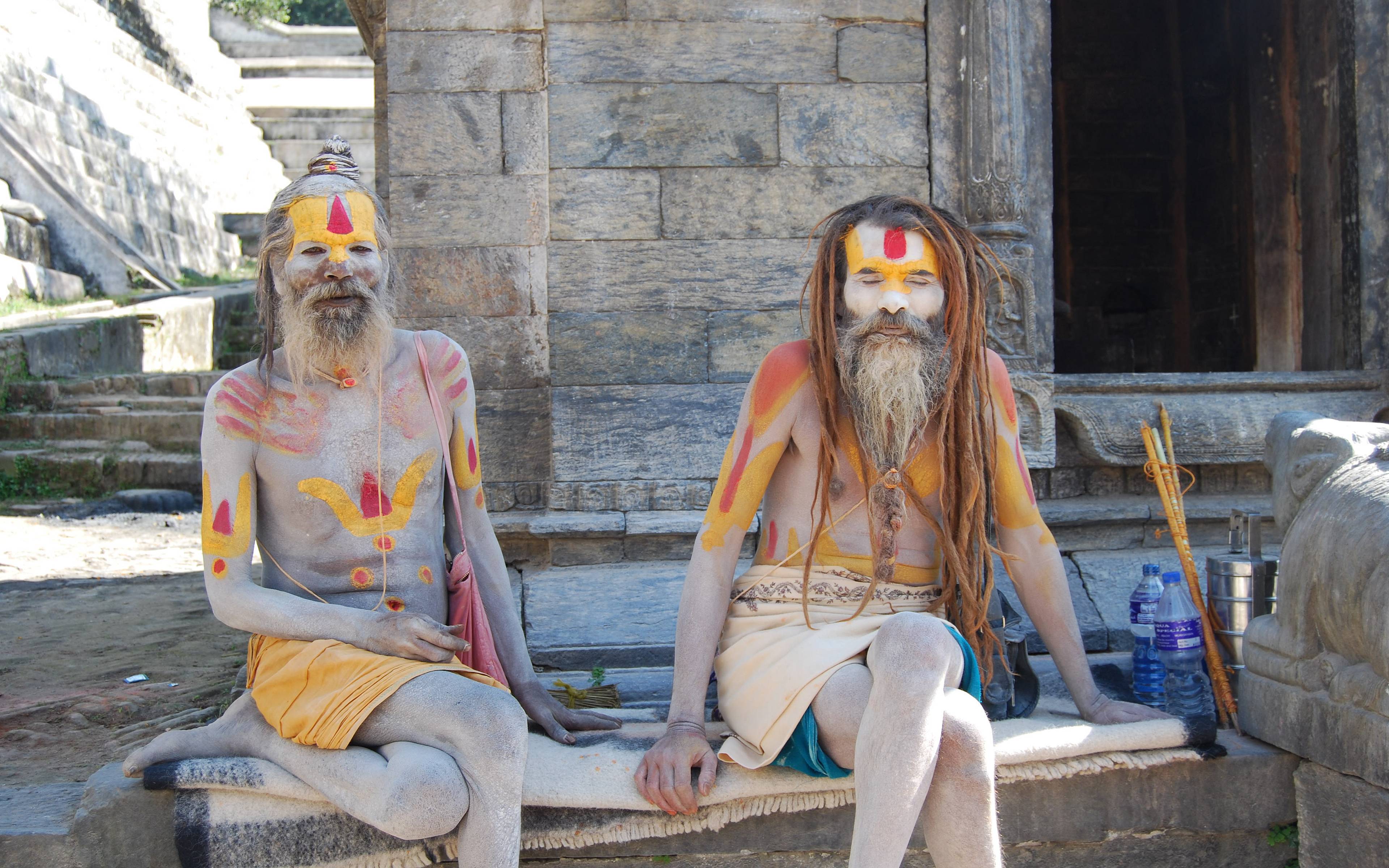
I visited Pashupatinath for the same reason I went to Benares and I certainly found what I was looking for. It's a temple dedicated to Shiva on the banks of the Bagmati River and a place where you can watch some startling ceremonies.
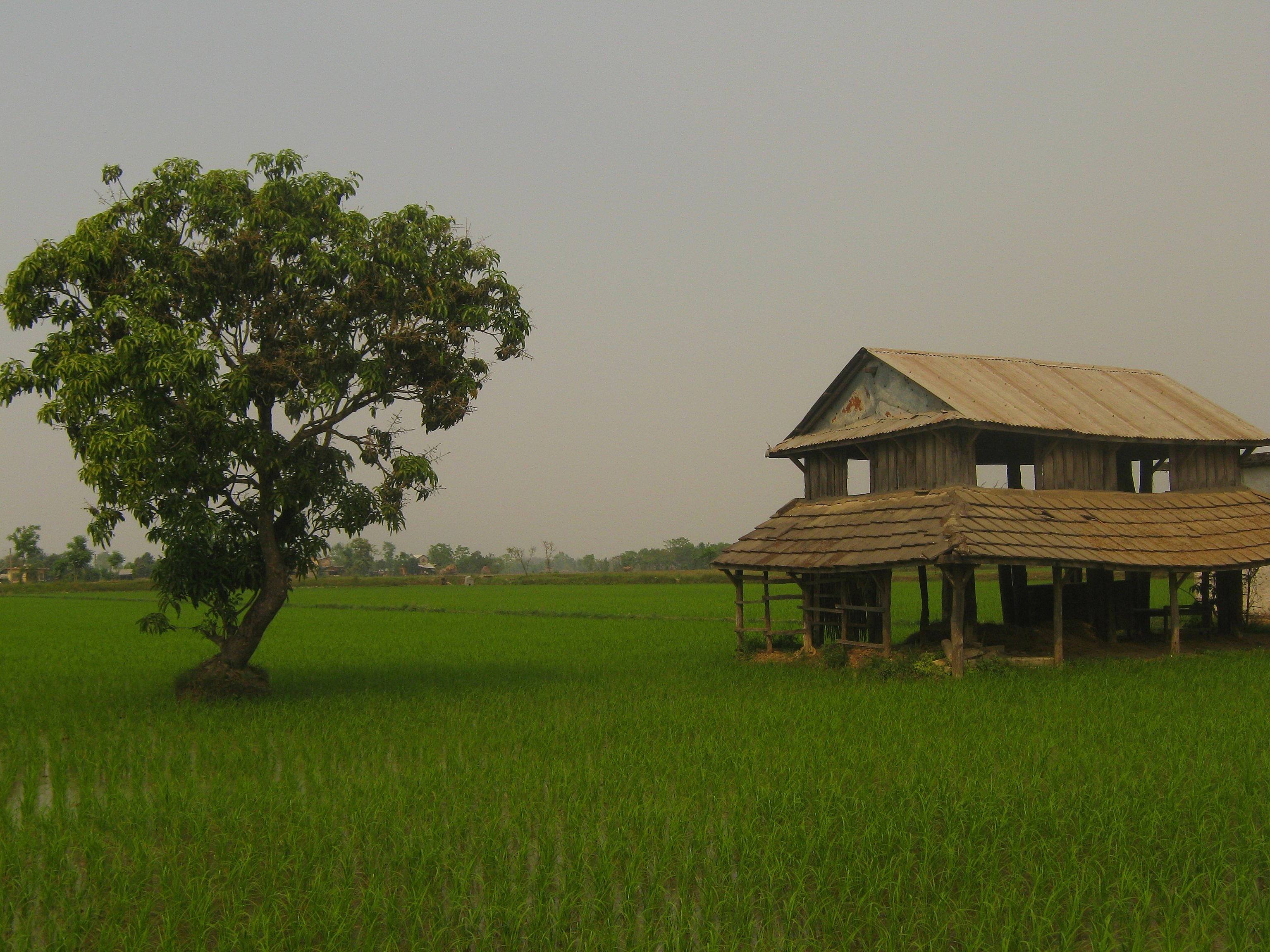
A region situated in the South of Nepal, the Terai covers part of the Great Plain of the Ganges.
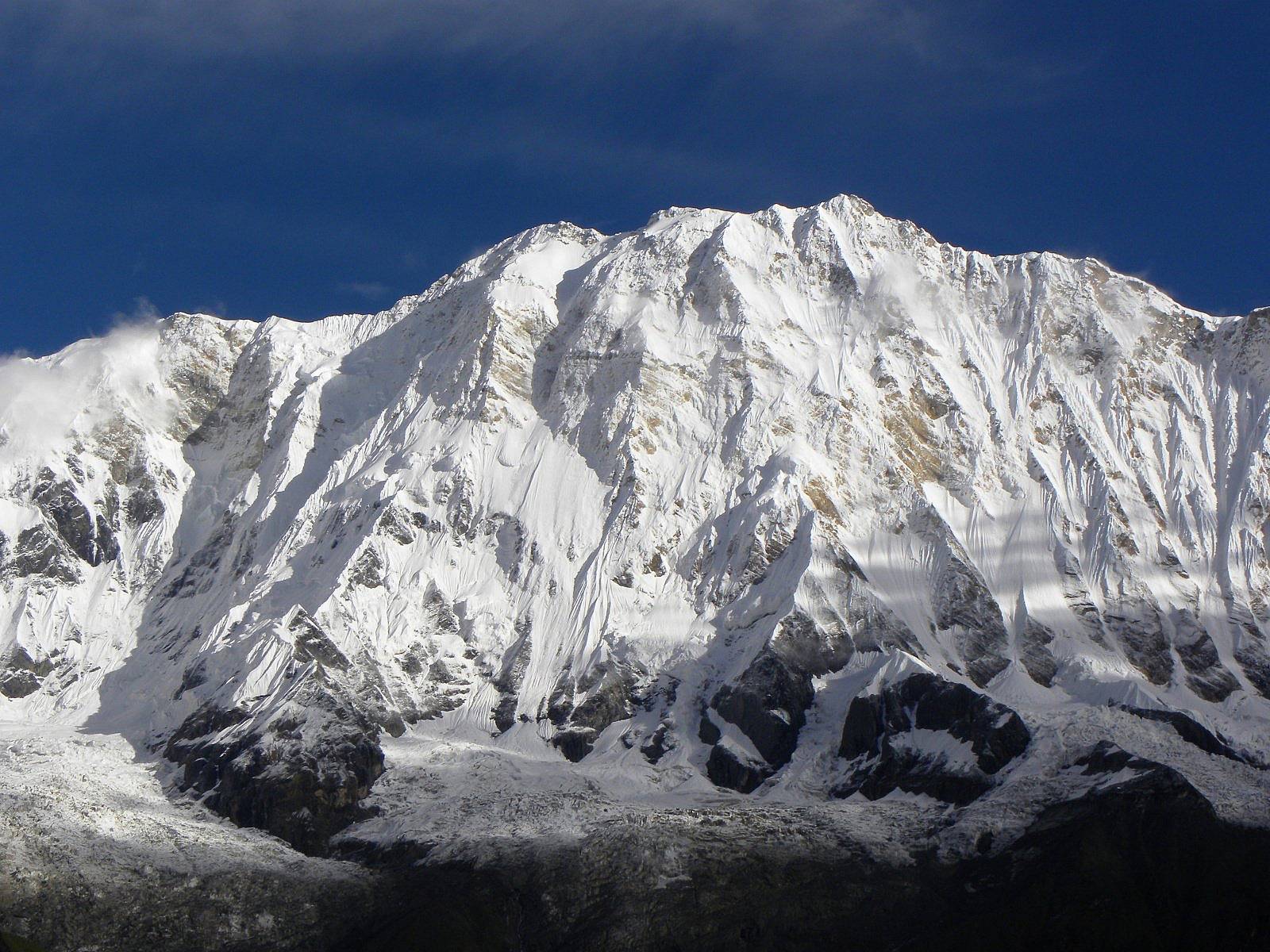
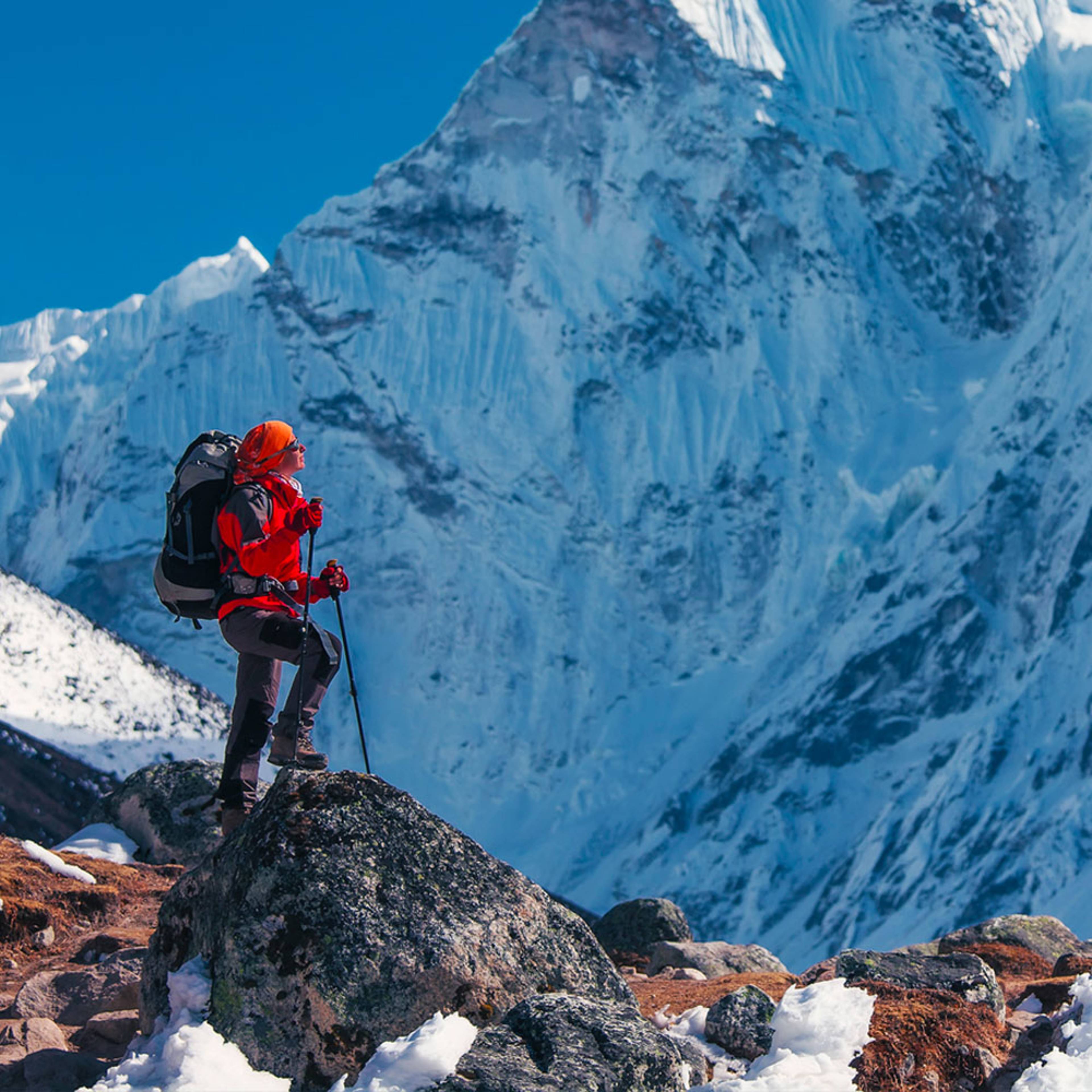
In Sanskrit, the Himalayas means "abode of snow". This group of mountains covers an area of more than 600,000 km² and is home to the highest summits in the world (14 of its summits are more than 8,000 metres high).
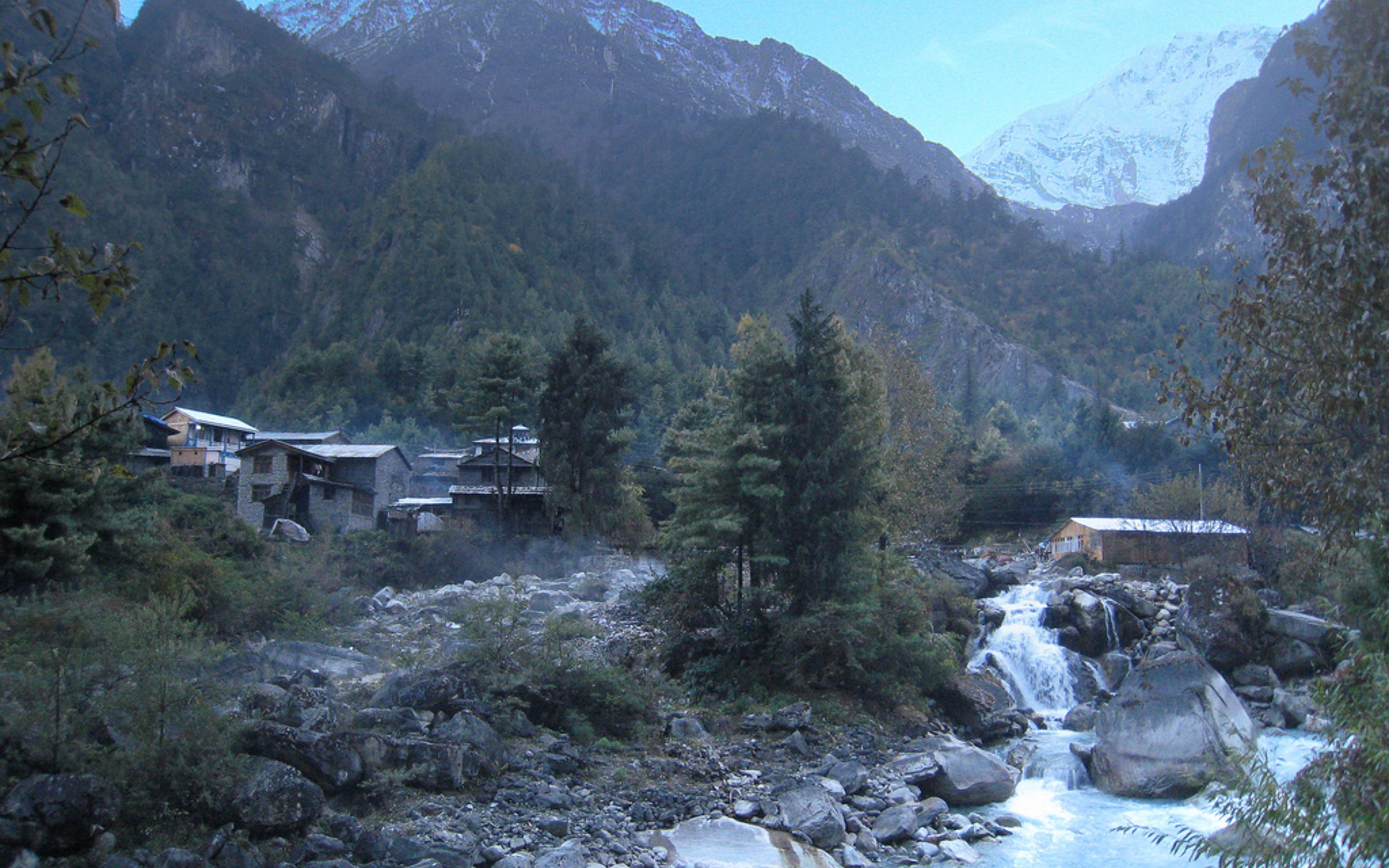
A small village in the Himalayas and a classic stage of the trek around the Annapurnas.
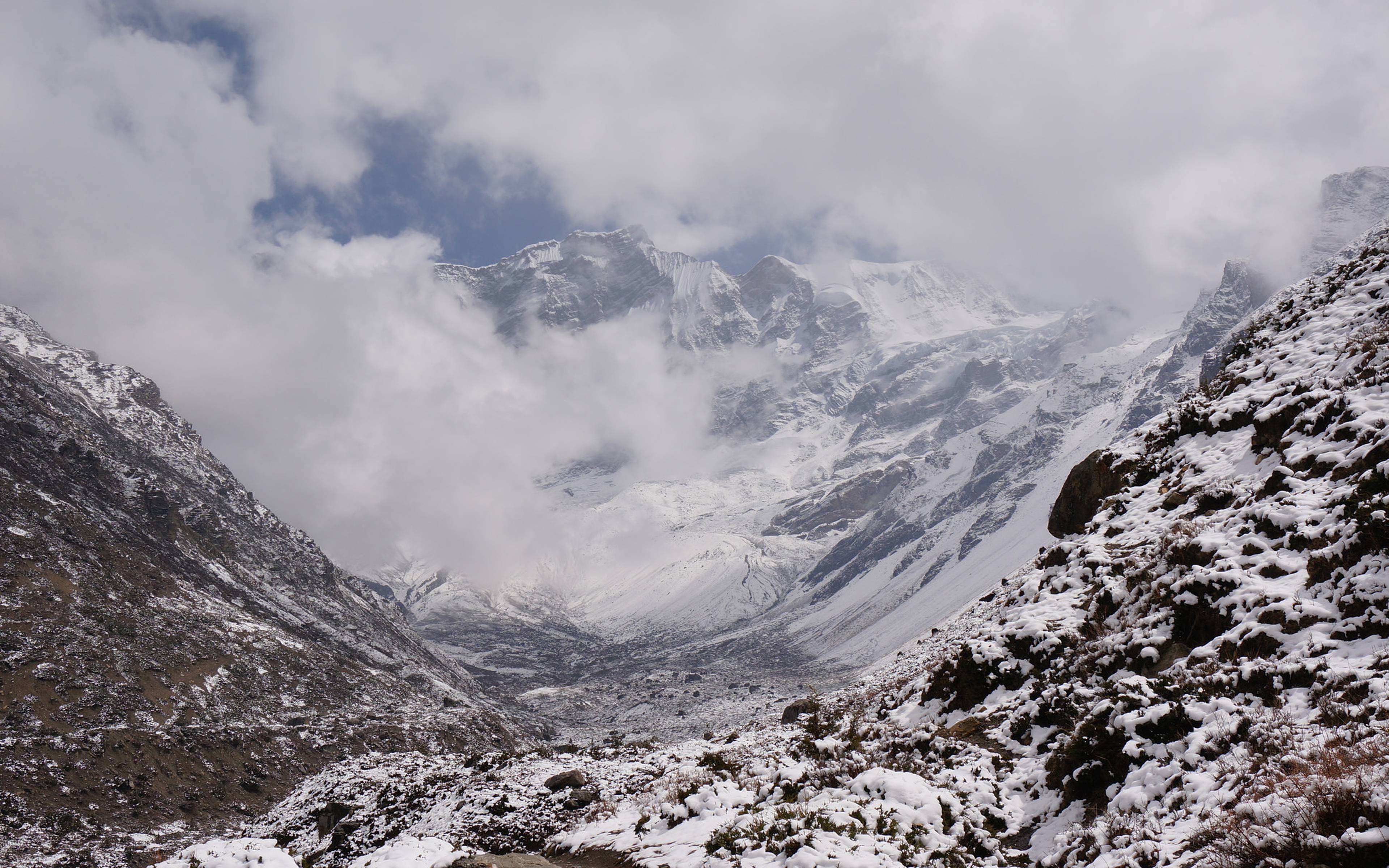
A stop on the famous "Annapurna Circuit" at 4000 m of altitude.
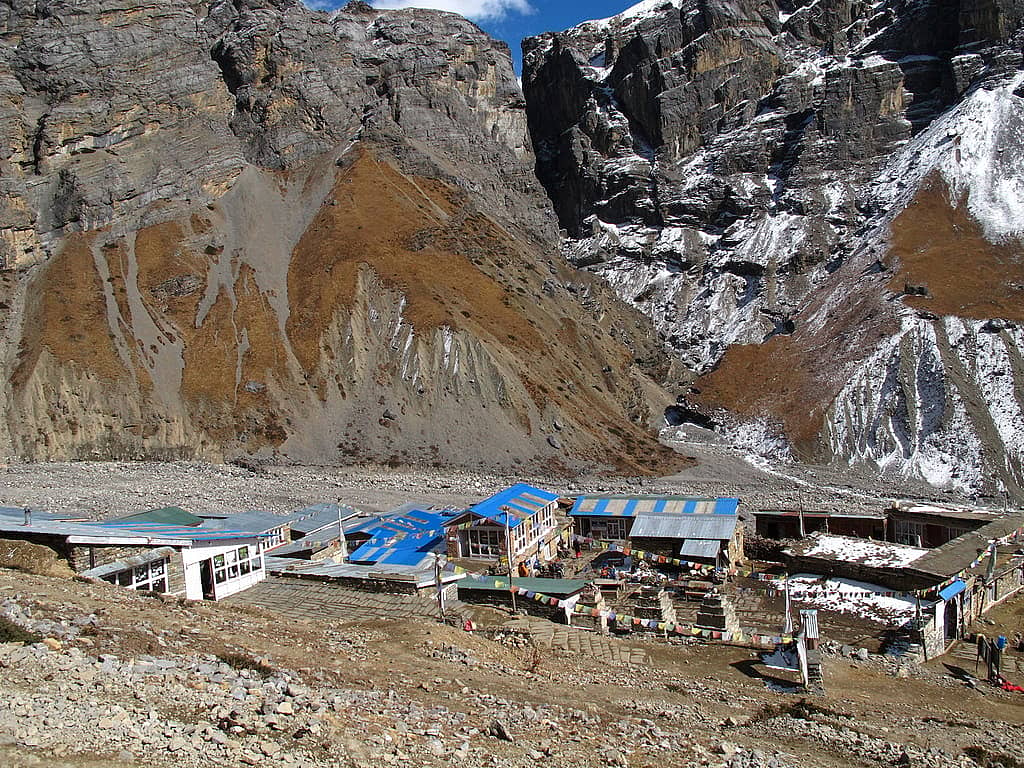
Lodge at an altitude of 14895 feet and stop-over of Nepal's second most famous hike.
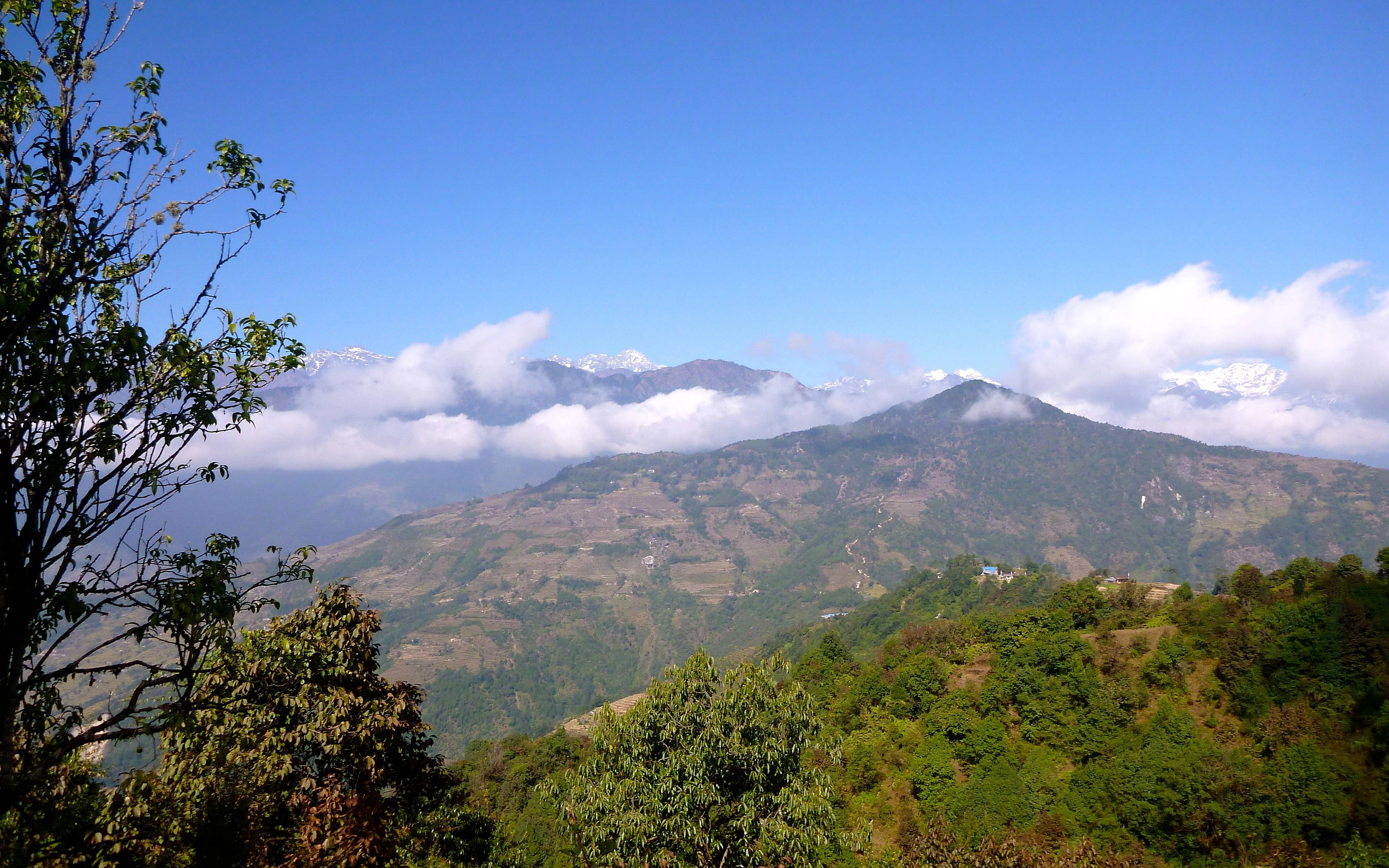
Trekkers doing the Helambu and Langtang treks often stay at Kutumsang, which is at an altitude of 2,470 metres. Only a few of its houses were left standing after the earthquakes of 25th April and 12th May 2015.
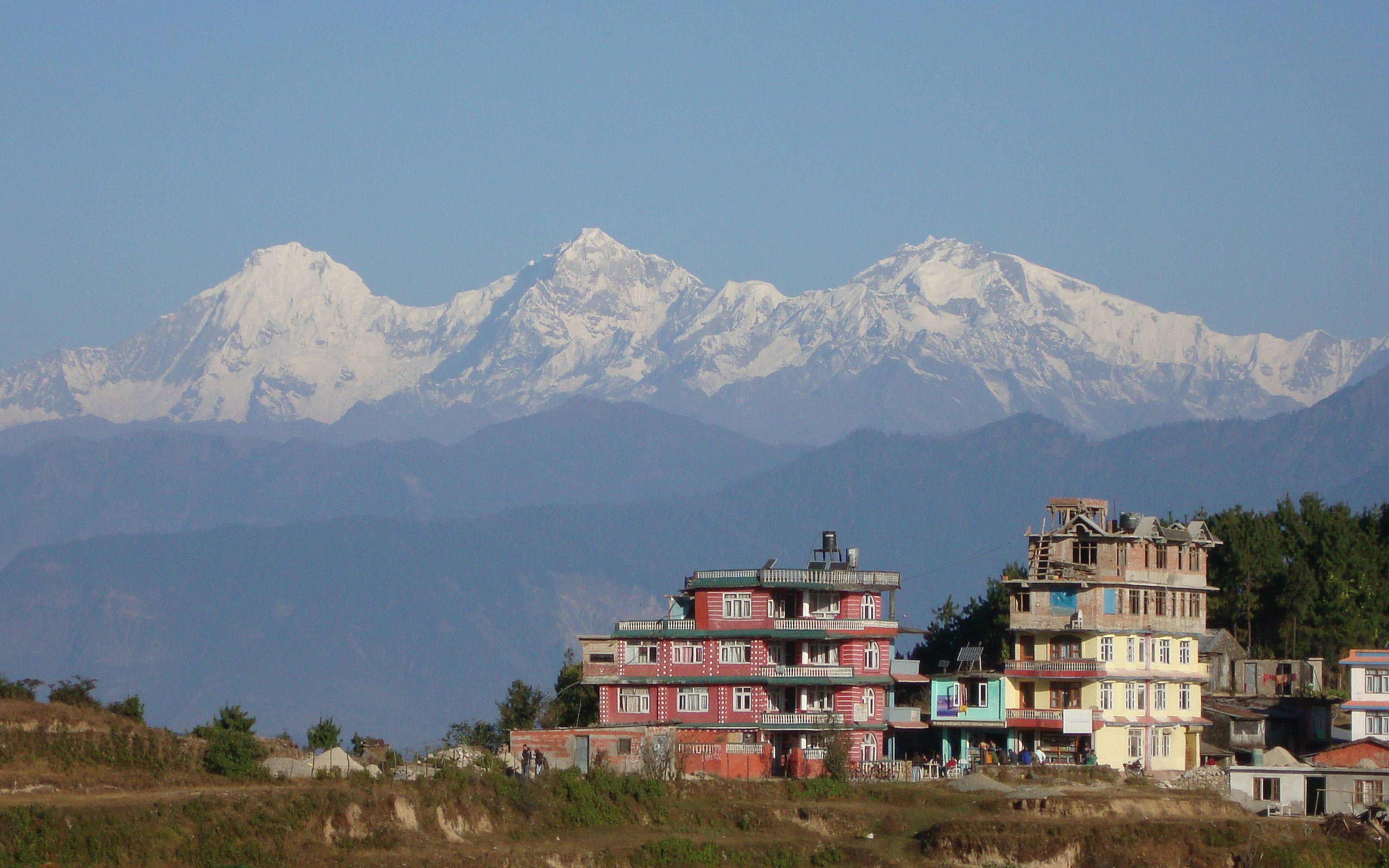
Chisapani is the first stop on the Helambu Valley Trek - a little town with breathtaking views of the mountains. And just as well!
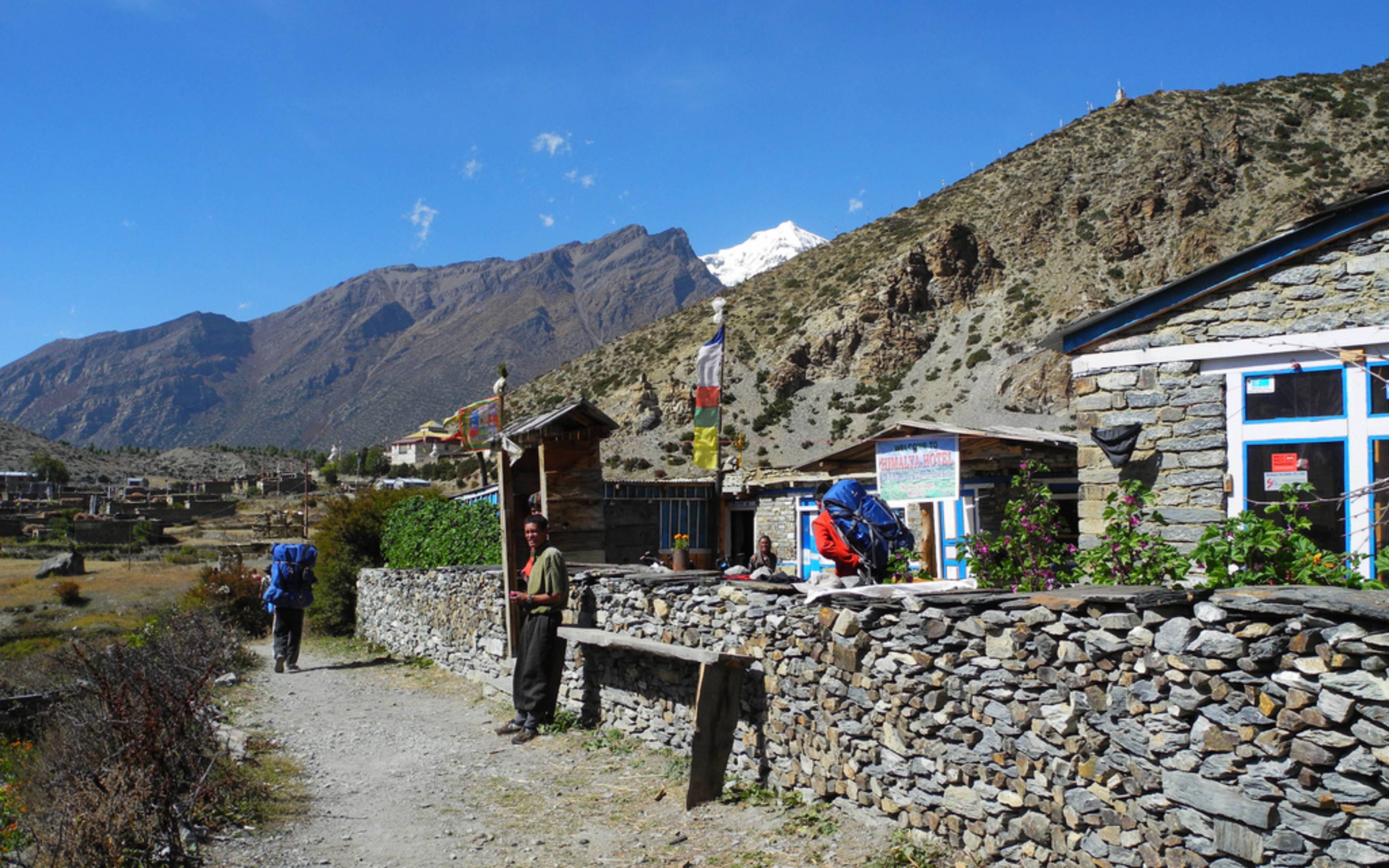
A village perched high up on the mountain, which you reach via an alternative route on the hike through the Annapurnas.
