





Soweto highlights and hidden gems: what to see and do?
1. Visit the Apartheid Museum to understand Soweto before you arrive
It’s the best place to start if you want everything you see afterward to carry real meaning. South of Johannesburg, near Gold Reef City, the museum opens with dark corridors and "White" and "Non-White" signs, plus testimonies that catch in your throat. Then, slowly, the light returns through stories of resistance, voting, and faces. Take your time. Read. Listen. Your footsteps echo on the concrete, and history becomes tangible. After this visit, Soweto is no longer “a neighborhood.” It’s a living story.
2. Walk along Vilakazi Street, in the heart of Orlando West
This is Soweto’s most symbolic street, where history unfolds right at sidewalk level. You’ll find modest homes, smoky grills, bursts of laughter, and that blend of pride and everyday life. Here, the memory of Nelson Mandela and Desmond Tutu lingers, two Nobel Peace Prize winners connected to the same street, a rare thing anywhere in the world. Go during the day, on foot, with a local guide, so you can hear the stories the walls can’t tell on their own.
3. Step inside Nelson Mandela’s house, intimate and essential
It’s a short visit, but surprisingly powerful. Behind the simple facade, you discover a life shaped by radical choices. Letters, photographs, and silences, too. The rooms are small, almost narrow, and that contrast is exactly what stays with you: the scale of a destiny that began in such a modest space. You leave with a quiet emotion, as if after an important conversation. Pair the visit with a walk through the neighborhood to understand the man in context, not on a pedestal.
4. Pause at the Hector Pieterson Memorial and Museum, tracing the 1976 uprising
This is one of Soweto’s most moving places, because it tells the story of the schoolchildren’s revolt without softening it. The museum is thoughtful, precise, and deeply human, and the photograph of Hector Pieterson stays with you long after you leave. Inside, you learn about language, education, state violence, and above all, teenage courage. Outside, the wind crosses the square, and the voices still feel close. Go with a neighborhood guide, who can give faces to the dates and family stories to the streets.
5. Take in the view from Orlando Towers, Soweto’s high-energy side
This is the most spectacular spot to see Soweto from a different angle, with a dose of adrenaline if you want it. The former cooling towers, covered in giant murals, rise over the township like two colorful beacons. You can simply go up for the view, or choose a guided activity, such as bungee jumping or zip-lining, depending on the season and what’s available. Down below, the atmosphere is lively, with street food, music, and families enjoying the afternoon.
6. Bike with a local guide to feel the rhythm of the streets
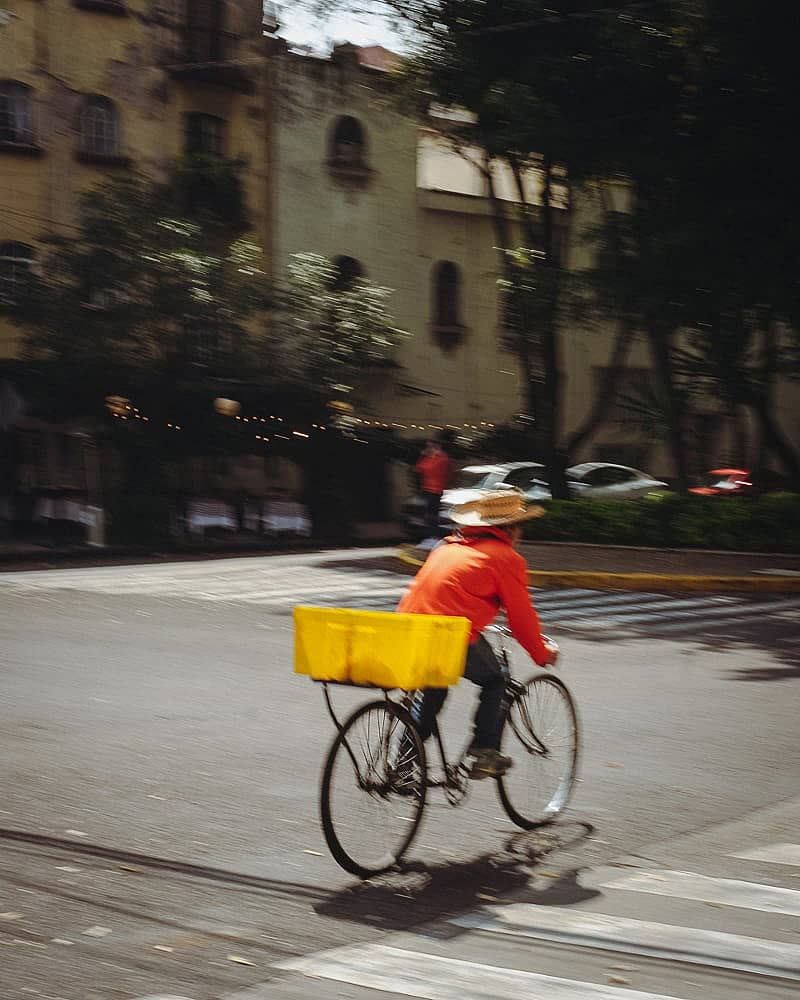
This is one of the most meaningful ways to discover Soweto, because you move at the pace of greetings and encounters. By bike, you pass through very different neighborhoods, stopping by a dusty soccer field, a vetkoek stall, or a bright mural. The smell of braai drifts through the air, and children wave as you pass. A local guide can adjust the route to your interests and answer sensitive questions with nuance, far from shortcuts and clichés.
7. Share a meal in a shebeen, where the city tells its stories
This is where you truly get a taste of Soweto, through bold, generous cooking. A shebeen is more than a place to eat. It’s a neighborhood living room, lively and warm, where stories are shared as freely as plates. Order pap and chakalaka, a slow-cooked stew, or sizzling grilled meat. You hear the music, see the pot on the stove, and smell the spices. Choose a place recommended by your local agency, so you’re welcomed like a guest.
8. Explore markets and street-food stands, from morning to late-afternoon snacks
This is one of the simplest and most authentic experiences, because it brings you close to daily life. In the morning, the stalls fill with fruits, vegetables, clothing, and small tools, in a fast-moving dance of conversation. Snack on a well-filled kota or a skewer straight from the fire, fingers a little greasy, smile firmly in place. Bargain lightly, ask before taking photos, and let the smells guide you. They rarely lead you wrong.
9. Seek out Soweto street art, from bold murals to urban poetry
This is a quieter side of Soweto, but it says a lot: walls that speak. In certain streets, murals tell stories of identity, memory, local heroes, anger, and hope. The colors pop in the sun, and the details reveal themselves as you get closer: a gaze, a date, a word. Go mural-hunting with someone from the neighborhood. They’ll know the latest works, the pieces that change, and the messages behind the images. You’ll leave with a more contemporary view of Soweto.
Add Soweto to a tailor-made South Africa itinerary
With Evaneos, you’ll work directly with a local, English-speaking expert based in South Africa. They know the best routes, the seasons, the real distances, and the places that matter, the ones you won't always find in guidebooks. The result is a smooth itinerary designed around your pace, whether you’re traveling as a couple or with family.
Want to include a stop in Soweto? Your local expert will help you choose the right timing, neighborhood, visit, and guide, then weave it into a tailo-made trip, from Kruger to the Garden Route and on to the Cape Winelands.