
Plettenberg Bay

Plettenberg Bay Vacations

4
1 review
Between a calm lagoon, wild beaches, and forests, adventure begins here at dawn.

Visit Plettenberg Bay

Visiting Plettenberg Bay in South Africa takes you for a fresh seaside pause along the Garden Route, between long beaches, a peaceful lagoon, and hills covered in fynbos. Here you can alternate between walks along the boardwalks of Robberg Nature Reserve, swims when the ocean is calm, and spotting dolphins, sometimes whales in season, from the shore. Plettenberg Bay also wins travelers over with its laid-back restaurants and cafés, local markets, and easy day trips to Knysna or Tsitsikamma. Read on, and you'll already be planning your trip.

  • Nature, Adventure & Sport
  • Water Sports
  • Essential

Plettenberg Bay: How to get there?

Plettenberg Bay is located on the Garden Route in the Western Cape, between Knysna and Tsitsikamma. From the U.S., fly to George (GRJ) or Gqeberha (PLZ, formerly Port Elizabeth) with a connection, then continue by road.

Plettenberg Bay: When to go?

Visit Plettenberg Bay from November to March for warm weather and ocean days, but book early. For a quieter trip, aim for April–May or September–October, when the days are mild and bright.

Plettenberg Bay: For how long?

Plan on spending two to three days in Plettenberg Bay, so you can enjoy the beaches, Robberg Nature Reserve, and the lagoon without rushing through the Garden Route.

Learn more about your destination

Must-sees and hidden gems: what to see and do in Plettenberg Bay?

1. Hike Robberg Nature Reserve, Plettenberg Bay’s wild icon

Walking the Robberg Peninsula is like experiencing the Garden Route in one loop: ocher cliffs, fynbos crunching underfoot, and surf crashing below. Choose the trail based on your energy level. Leave time for viewpoints over the Cape fur seal colonies and, in season, whale spouts offshore. On the way back, with salt in the air and wind in your hair, you get that rare feeling of being far, far away.

2. Swim at Keurbooms Beach, the beach with room to breathe

Heading to Keurbooms, just a few minutes north, is for travelers who love wide-open spaces, no filter needed. Here, the sand is pale, almost luminous, and the beach seems endless. It’s perfect for a barefoot walk at low tide. You can swim here too, while keeping a close eye on currents and beach flags. At the end of the day, low golden light settles over the dunes, and the beach becomes simple, calm, and essential.

3. Paddle the Keurbooms River, moving with the rhythm of fresh water

Paddling up the Keurbooms River by canoe or kayak means changing scenery in just a few strokes. The water turns mirror-smooth, edged by riverine forest where kingfishers dart by and, sometimes, the shadow of a fish eagle passes overhead. You glide through near-total silence, broken only by the splash of your paddle and the rustle of reeds. With a local outfitter, you’ll find the right tide times and the quietest corners.

4. Go birdwatching at the Bitou Wetlands, a nearby hidden gem

Taking a nature break at the Bitou Wetlands reveals a quieter side of Plettenberg Bay. A boardwalk and easy trails run along the wetlands, ideal for an early-morning outing when the air is cool and the birds are active. Herons, ibises, grebes, and weavers can often be spotted up close, especially if you move slowly. It’s a great option with kids, or for a gentler day after hiking Robberg.

5. Head out to sea to see dolphins and whales, without turning nature into a show

Going out by boat with a responsible operator lets you experience the ocean as a living world, not an attraction. Dolphins often come to play near the bow, and from July to November, southern right whales sometimes approach the bay. The focus is respectful observation from a distance, with no chasing.

6. Stroll along Lookout Beach, postcard-style

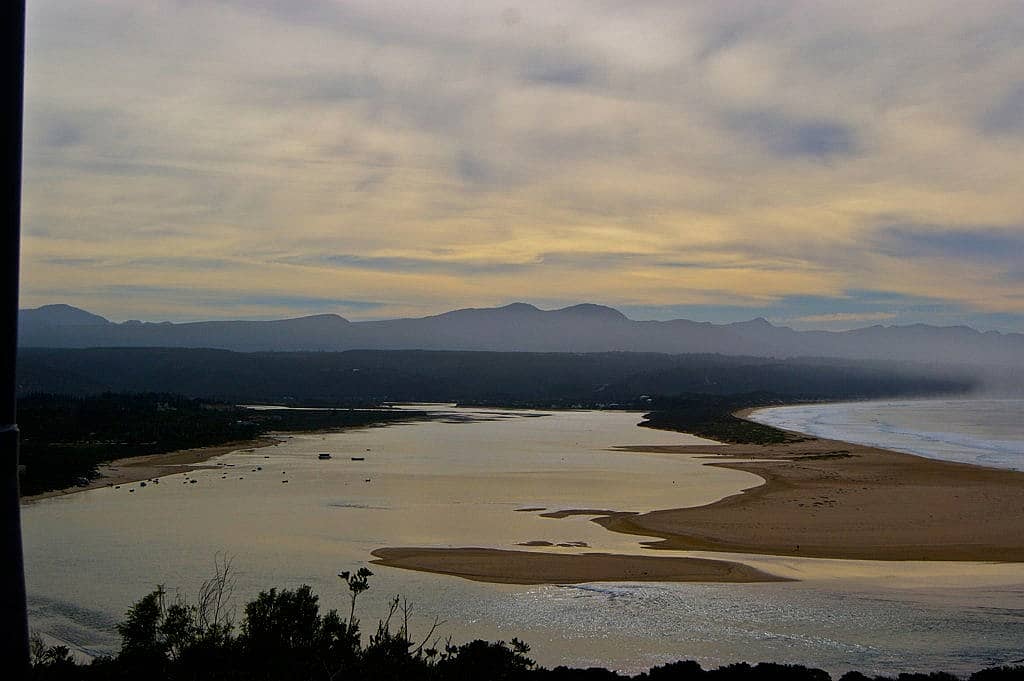
Following the curve of Lookout Beach means soaking up a gentle, almost meditative landscape between the sea and the lagoon. The beach is ideal for a sunny walk, and the river mouth often draws seabirds. When the ocean is calm, reflections on the water create a palette of blues and greens that’s especially photogenic. The best timing is early morning for peace and quiet, or late afternoon for golden light.

7. Discover the region’s culture at the Plett ARTS Festival

Diving into Plett’s creative scene shows you that the town is much more than its beaches. If you’re here at the right time, the Plett ARTS Festival brings the streets to life with concerts, exhibitions, and performances, often in unexpected spaces. Outside the festival, step into local galleries and studios: fynbos-inspired paintings, coastal photography, and carefully made crafts. Conversations with artists add a deeply human layer to the trip. The festival usually takes place between September and October.

8. Walk through Harkerville Forest, among ferns and towering trees

Heading into Harkerville Forest means seeking shade and the damp scent of the undergrowth, just minutes from the ocean. Trails wind between ancient trees, vines, and ferns, with occasional coastal viewpoints if you choose a route that climbs. It’s a perfect outing when the beach is hot or windy. With a local guide, you can spot animal tracks and plants typical of the fynbos.

9. Taste wines along the Plettenberg Bay Wine Route, in an intimate setting

Tasting Plett’s wines is one of the Garden Route’s most underrated surprises. A handful of estates and producers, close to the sea, offer small-scale tastings with crisp whites and sparkling wines that pair beautifully with the salty air. The experience is even better when you take your time and arrange transportation, so you don’t have to drive. Sit outside, listen to the birds, and let the landscape do the rest.

Make Plettenberg Bay a stop on a tailor-made trip to South Africa

With Evaneos, you’ll connect directly with a local, English-speaking expert based in South Africa. They know the country from the inside: its seasons, roads, favorite local spots, and quieter corners far from cookie-cutter routes. The result: you save time and travel with genuinely useful advice, shaped around your pace.

Dreaming of a stop in Plettenberg Bay, between golden beaches, lagoons, and Garden Route forests? Your local expert will design a tailor-made itinerary that fits your interests, budget, and travel style.

Plettenberg Bay: practical information for travel

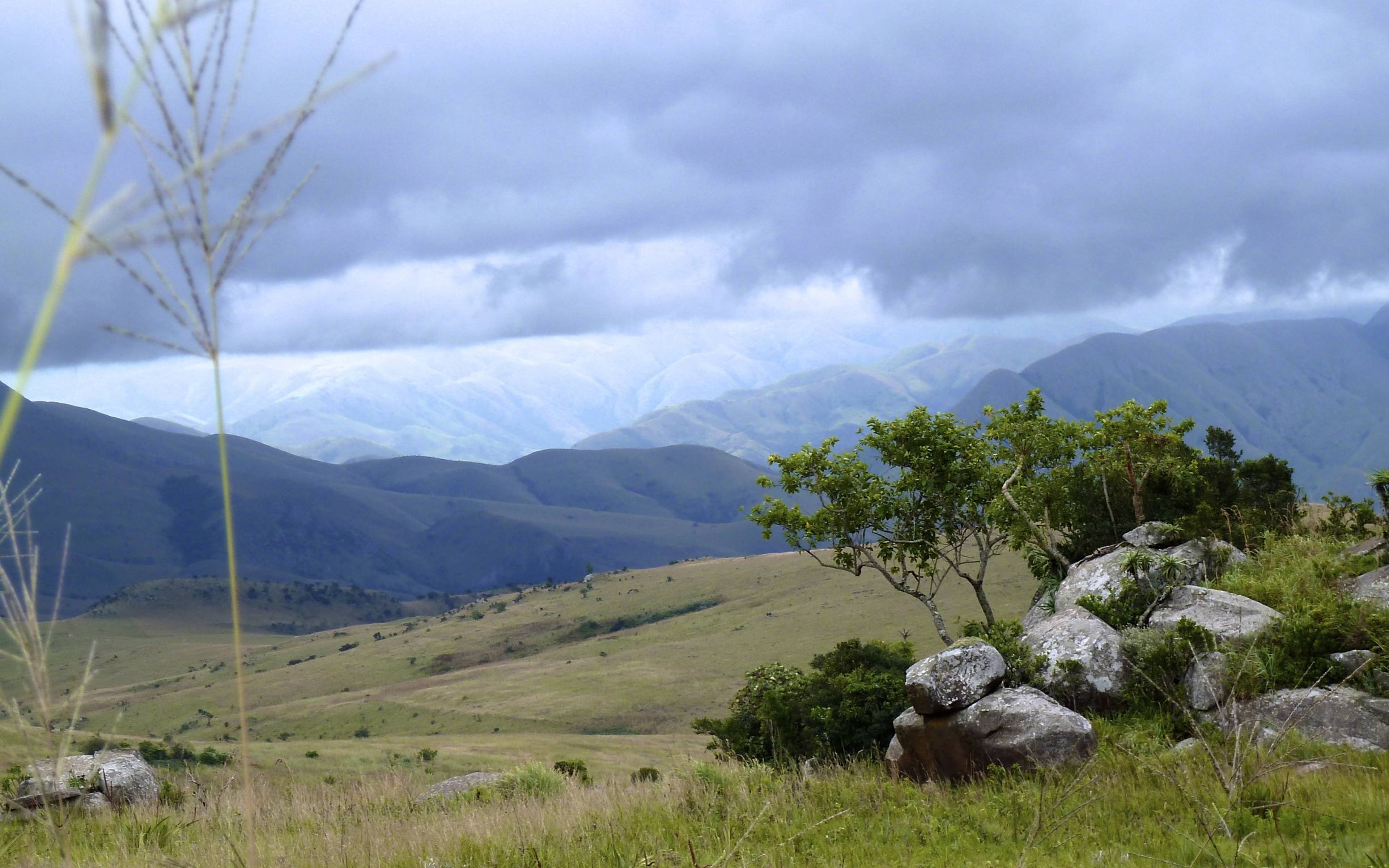
The best time to visit Plettenberg Bay is from November to March, when the Southern Hemisphere summer warms the ocean and brings long days to the Garden Route. You can make the most of the beaches, hikes through the fynbos, and mild evenings, with generally settled weather even though this is also the busier season.

July to October is an excellent alternative: quieter and often more affordable, with cooler air and beautiful light. It’s also the prime season for spotting whales offshore. In spring, the fynbos comes back to life, and outside South African school vacations, Plettenberg Bay feels even more peaceful.

In Plettenberg Bay, the ideal place to stay is between Central Beach and Lookout Beach, where you can easily walk to the ocean, restaurants, and sunset views. For a more nature-focused stay, head to The Crags, near the forest. And if you’re looking for quiet, Keurbooms River offers places to stay tucked between the lagoon, dunes, and birdlife.

Evaneos’ local experts know Plettenberg Bay by the rhythm of the tides. They'll point you toward responsible, low-key stays, from small family-run lodges to discreet guesthouses. Expect a focus on local roots, thoughtful water management, and genuine encounters along the Garden Route.

In Plettenberg Bay, between salty sea air and the aromas of a braai, here are a few local specialties to add to your food list:

  • Grilled catch of the day, with pearly flesh and crisp skin, finished with a squeeze of lemon and a mild spicy sauce.
  • Fried calamari, with a golden coating that crunches as you bite, served with tangy mayonnaise.
  • Mussels in white wine sauce, fragrant with steam and perfect for soaking up with bread.
  • Bobotie, a sweet-spiced minced meat dish topped with an egg custard, raisins, and chutney.
  • Boerewors cooked on the braai, a juicy, smoky sausage with notes of coriander and clove.
  • Biltong, strips of dried meat, salty and peppery, perfect for snacking.

Between golden beaches and a walk in Tsitsikamma Forest, the question “where should we eat in Plettenberg Bay?” comes up fast. Here are a few local spots to keep in mind:

  • The Fat Fish: a Plett institution for fresh fish of the day, calamari, and seafood-forward dishes, enjoyed in a relaxed setting near the center.
  • Nguni Restaurant: well-executed South African cooking, grilled meats, bobotie depending on the day’s inspiration, and a warm atmosphere.
  • Nineteen 89: a polished spot to try creative dishes and local ingredients with unexpected, flavorful twists.
  • Le Fournil de Plett Bakery: ideal for a simple lunch, savory tarts, good bread, and a coffee break the way locals do it.

In Plettenberg Bay, the easiest option is to have a rental car, as distances between the beaches, town center, and nature reserves add up quickly, and public transportation schedules are limited. Driving is straightforward, the roads are in good condition, and parking is usually easy around Main Street, Central Beach, and Lookout Beach.

For short trips, use Uber when available. Otherwise, ask your accommodation to book a local taxi, which is often the most reliable option. On foot, stick to busier areas during the day, such as Main Street and the waterfront, and avoid walking long, isolated stretches at night. Biking can be enjoyable on coastal roads, but bring a helmet, water, and good visibility gear, especially around sunset.

Plettenberg Bay: What to see in the surroundings?

What our travelers think about their stay

South Africa: our articles for your vacation