

Must-sees and hidden gems: what to see and do in the Inside Passage?
1. Take the ferry between Port Hardy and Prince Rupert
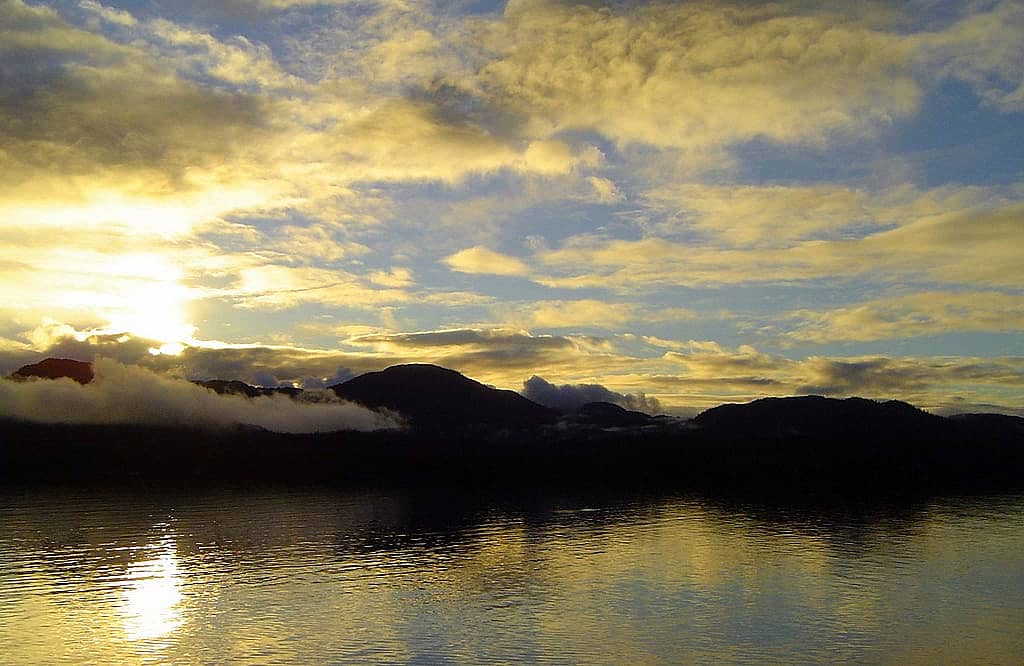
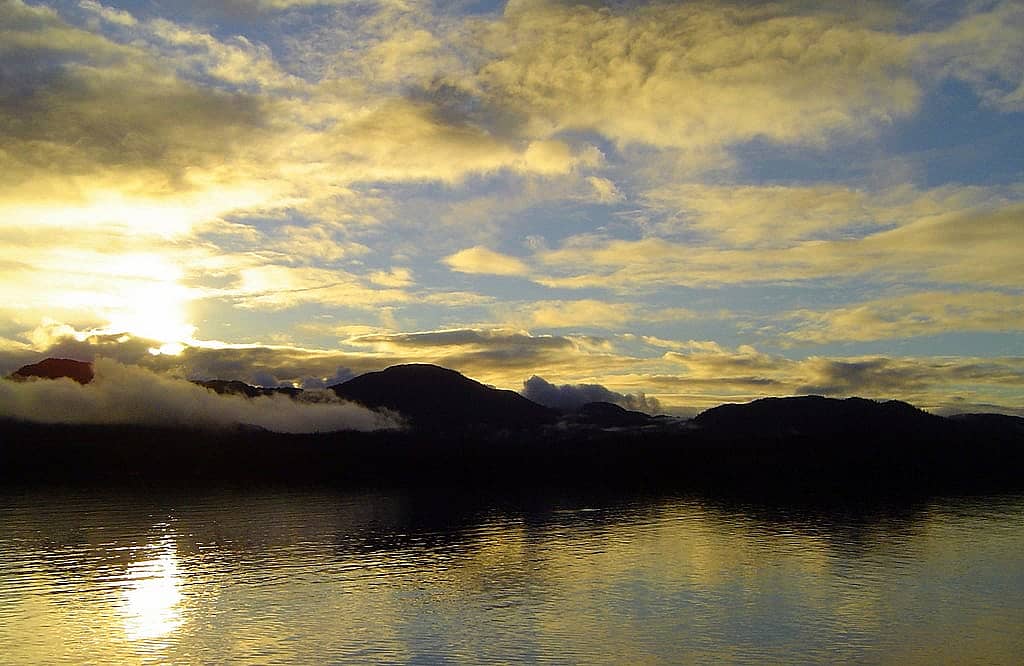
The thrill of the Inside Passage lies in this ribbon of water between mountains and rainforests, best experienced from the deck. On the ferry, the air smells of salt and wet cedar, clouds cling to the ridgelines, and every bend reveals a green island set in a steel-gray sea. Settle in outside with a hot coffee in hand and scan the ripples for porpoises, bald eagles, and sometimes a whale in the distance. Your local expert will help you choose the right sailing time and the best cabins.
2. Go whale watching in Telegraph Cove
Telegraph Cove is one of British Columbia’s best places to spot resident orcas and humpback whales. From this small village built on stilts, you head out by boat or rigid inflatable, then everything falls quiet, broken only by the powerful sound of a whale surfacing. Naturalist guides share stories of orca pods, their routes, their behaviors, and you learn how to watch without disturbing them. Outside peak season, the atmosphere feels more intimate, with softer light over Johnstone Strait.
3. Kayak through the islands of Desolation Sound
By kayak, you experience the Inside Passage right at water level, where you can truly hear the coast breathe. Despite its name, Desolation Sound is a bright mosaic of turquoise coves, forested islets, and golden beaches. Glide past kelp and sea stars, feel your paddle bite into the cold water, then land for a picnic facing the peaks. With a local guide, you can choose calm routes well suited to families.
4. Explore the Great Bear Rainforest
Here, the star is the vast, fragrant temperate rainforest, one of the rarest ecosystems on the planet. In the Great Bear Rainforest, moss-covered trunks glow after the rain, ferns brush against your legs, and rivers fill with salmon when the season comes. Walk along discreet boardwalks, learn to read tracks, and better understand this fragile territory. Local agencies prioritize small lodges and guided outings to help reduce your footprint.
5. Meet Indigenous communities in Bella Bella or Klemtu
Giving your trip deeper meaning starts with listening to the people who have lived here for thousands of years and generously share their homeland. In Bella Bella or Klemtu, Indigenous guides offer insight into Heiltsuk or Kitasoo Xai’xais culture through stories, art, and their relationship with the living world. Depending on the season, you might join a boat outing, visit cultural sites, or learn about local resource stewardship. The experience is profound, understated and always respectful.
6. Look for the spirit bear near Klemtu
Seeing the spirit bear, the rare white bear of the coast, is one of the most moving encounters in the Inside Passage. In the estuaries of the Great Bear Rainforest, you approach in a small group with authorized operators who follow responsible viewing practices. The setting is hushed, with the smell of rich soil and tidewater, light rain on your hood, then a movement, a pale shape between the trees. Nothing is guaranteed, and that is exactly what makes the moment so precious.
7. Slow down in Prince Rupert, the northern gateway to the Inside Passage
Prince Rupert is often passed through too quickly, but it deserves a real stop so you can feel the pulse of the North Pacific. Colorful houses cling to the hillsides, the air is crisp, and the docks move to the rhythm of fishing boats. Visit the Museum of Northern British Columbia to better understand the coast’s maritime history and cultures, then end with a simple fish and chips, facing the gulls.
Add the Inside Passage to your tailor-made trip to Canada
With Evaneos, you’ll work directly with a local, English-speaking expert based in Canada. They’ll guide you, respond quickly and clearly, and share their favorite local places, the ones you won’t find in guidebooks, all based on your pace, budget, and travel style.
Dreaming of sailing the Inside Passage, between misty forests, fjords, and coastal villages? Your local expert will design a tailor-made trip, then fine-tune it as your ideas take shape, from the Rockies to the Maritimes, while keeping the season, distances, and key experiences in mind.