

What to see and do in Bic National Park
1. Explore the Pic-Champlain trail
This is the park’s iconic hike. The trail climbs gradually through a dense forest of conifers and maples before reaching the summit and a sweeping view of the St. Lawrence Estuary, rocky headlands, and the islands of Bic spread out below. One look at the quiet, wide-open scenery and you’ll forget the climb.
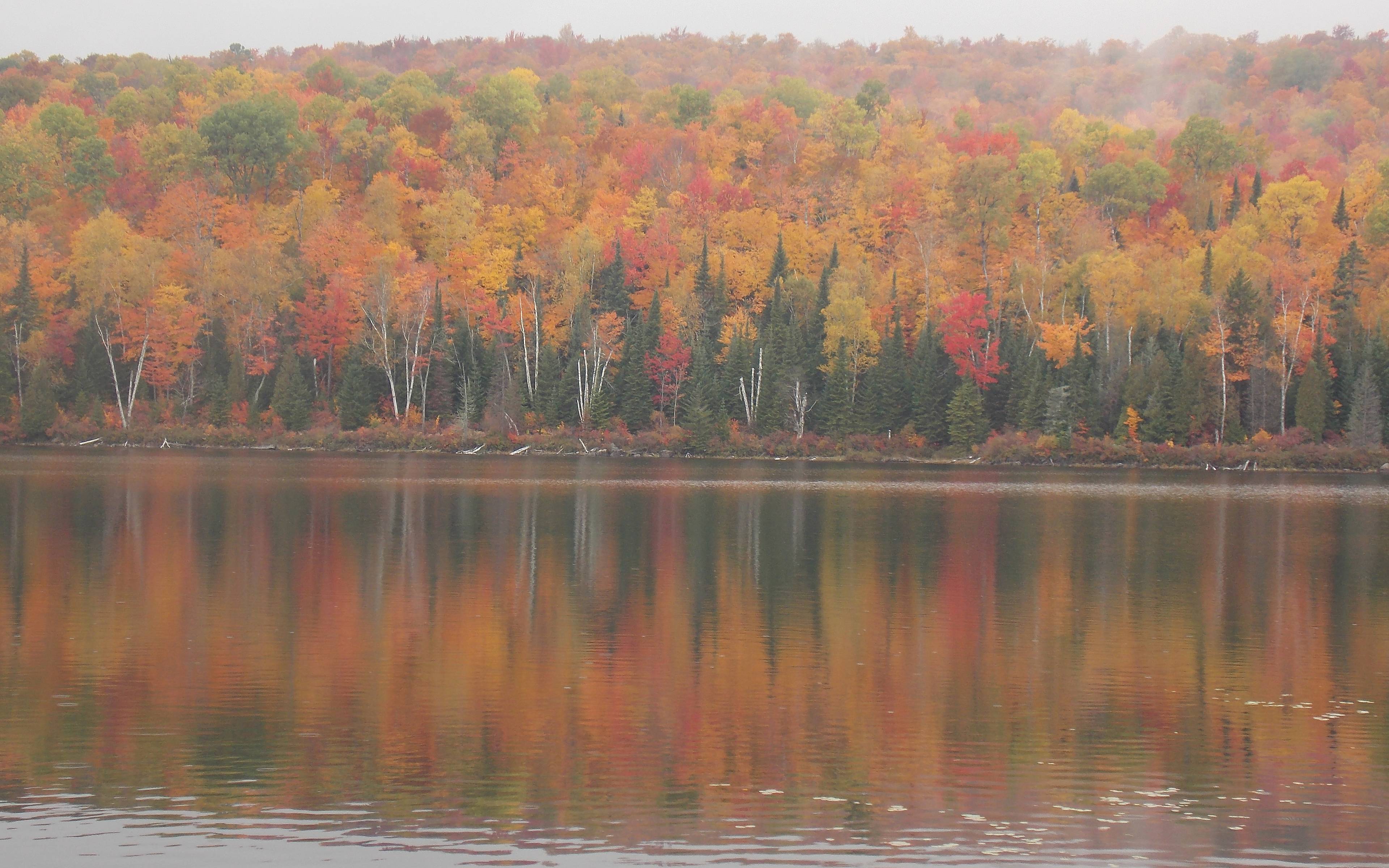
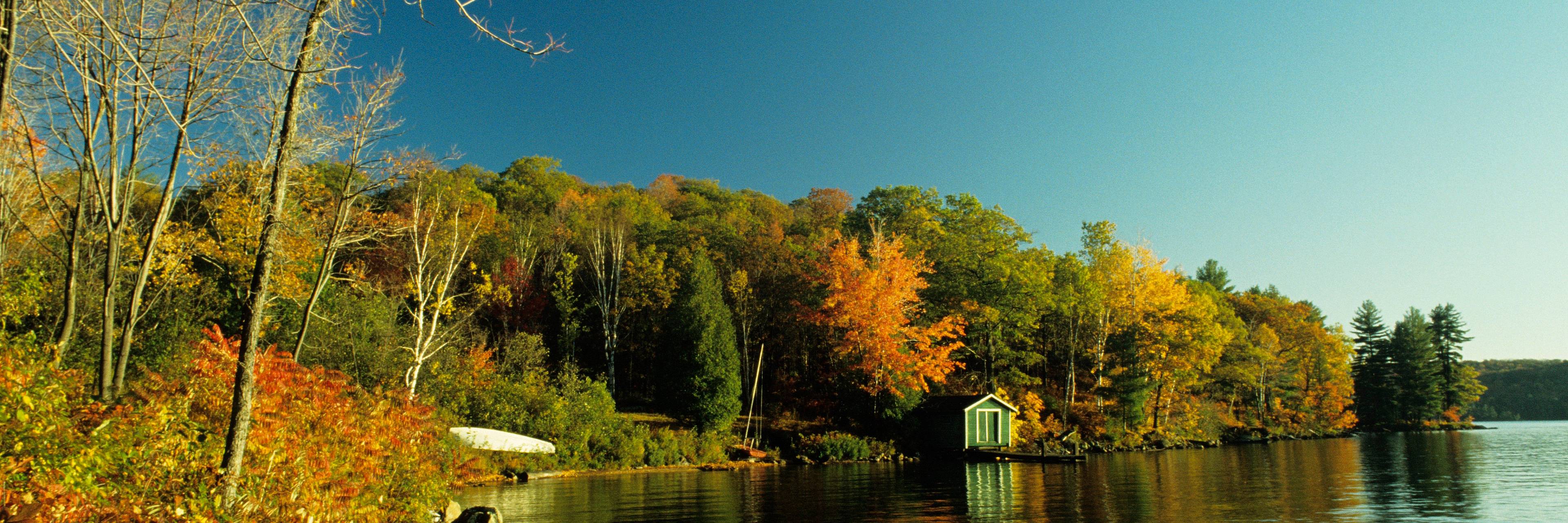
On a clear day, the view reaches all the way to the Appalachians. Keep an eye out: peregrine falcons often nest on the cliffs. In the fall, the trail glows with fiery reds and deep oranges, turning the hike into a walk through a painting.
2. Watch seals from the shore
Bic National Park is one of the few places in Quebec where you can observe seals in the wild. Head to Anse aux Bouleaux at low tide, or to Pointe-aux-Épinettes from mid-tide to high tide. You can watch gray and harbor seals from a distance as they stretch out on the rocks or float in the calm water.
Let your binoculars do the work. Harbor seals live here year-round, and gray seals join them from mid-July, so summer is the best time to see both resting in the sun. Approach quietly and keep a respectful distance. It’s worth stopping just to watch their sleek heads slowly rise from the water.
3. Paddle a sea kayak at sunset
At high tide, especially late in the day, set out by kayak and glide between rugged islets, quiet coves, and the orange-hued cliffs of Bic. The light begins to fade, the water turns to glass, and only the dip of your paddle breaks the silence.
With a local guide by your side, you’ll learn how the coastline was shaped, how the tides work, and which fragile habitats to watch out for. It’s not unusual to cross paths with curious seals or spot a heron taking flight right in front of you. It’s a gentle outing that stays with you long after it ends.
4. Feel the river breeze by bike
The park road is perfect for cycling, offering a peaceful way to explore Bic. Several miles of paths wind through forests, headlands, and open fields, with plenty of places to stop and take in the river views. Rent a hybrid or mountain bike near Rimouski and set off at your own speed.
Pedal to Cap-à-l’Orignal for a picnic on the grass, or loop out to Île-aux-Amours at low tide. With the river breeze on your face, salty air, and birdsong all around, it’s a soothing ride.
5. Camp under the stars
To truly soak up the park’s wild atmosphere, nothing beats spending the night. Bic offers rustic campsites, ready-to-camp tents, and even yurts set at the edge of the forest, steps from the water. Once night falls, the silence is almost complete, broken only by the hoot of owls.
With little light pollution, the night sky reveals a dense, mesmerizing canopy of stars. In the fall, the distant sounds of rutting moose sometimes echo through the darkness. It’s hard to imagine a more authentic Canadian night.
6. Discover seabirds
Bic’s coastline is a true sanctuary for birds. With cormorants, black guillemots, great blue herons, and common eiders all around, birdwatchers hardly know where to point their binoculars. The cliffs and rocky bays are especially rewarding in late spring and summer.
Naturalist guides sometimes organize birdwatching outings. Their knowledge helps you better understand bird behavior, calls, flight patterns, and more. You don’t just look: you learn, you marvel, and you take the time to really listen.
7. Snowshoe through the park in winter
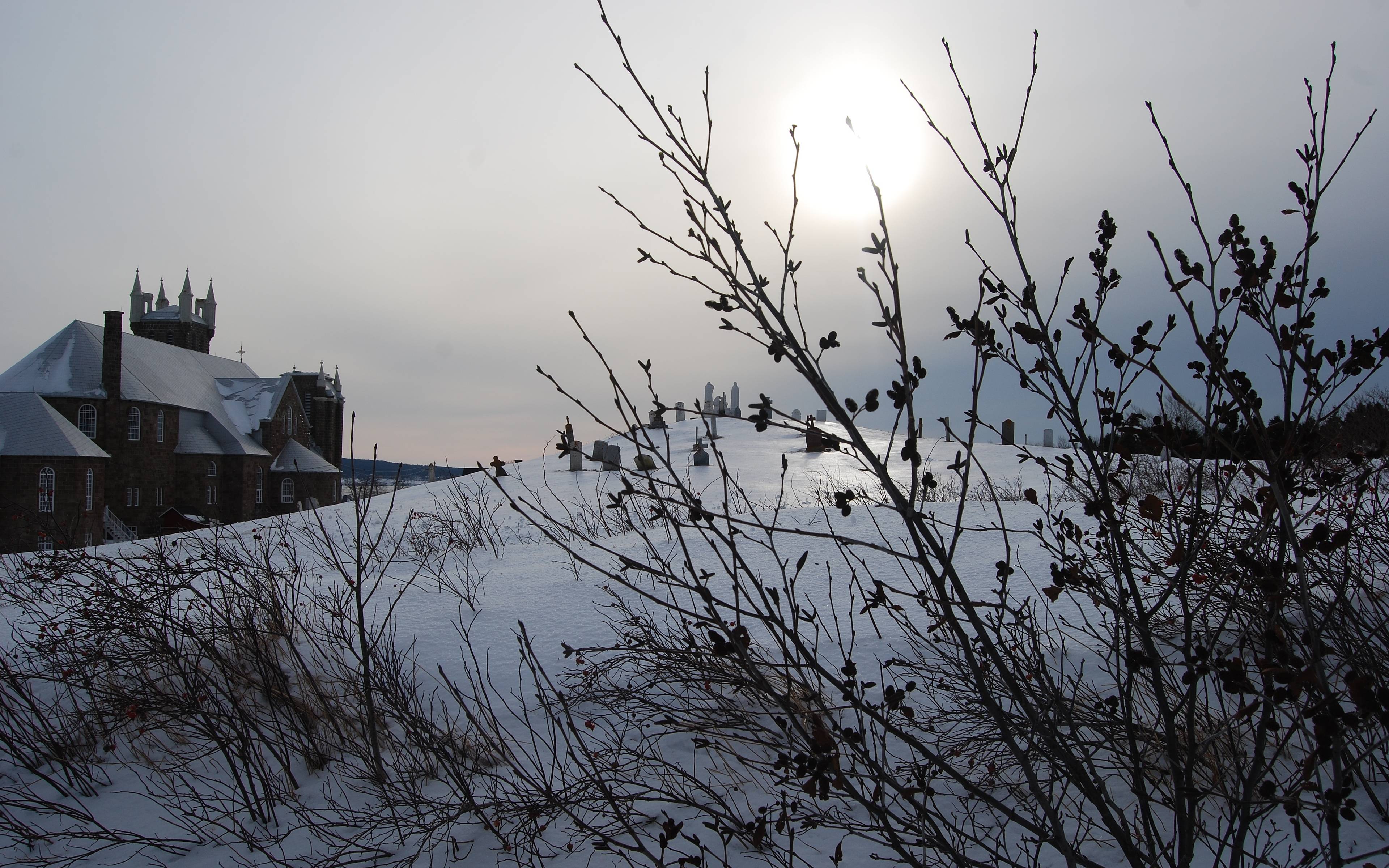
When snow covers Bic, the whole atmosphere changes. The once-busy trails become silent paths where the only sound is snow crunching beneath your snowshoes. The Chemin-du-Nord trail and the Grand-Tour trail offer wide-open views of the ice-dotted river that clear your head.
Moving slowly between fir trees heavy with powder, you may spot the tracks of moose or red foxes. It’s a peaceful, restorative activity best taken slowly, surrounded by a white winter landscape.
Into the wild at Bic National Park
Iconic wildlife to see in Bic National Park
From wooded trails to headlands swept by salty winds, Bic National Park is home to typical wildlife from Quebec’s Lower St. Lawrence region, which you can observe throughout the year, including:
- The harbor seal: the star of the rocky coves, basking lazily on the rocks at low tide.
- The white-tailed deer: often spotted at dawn among the birches, watching with curious eyes.
- The barred owl: gliding silently across open patches of forest like a passing shadow.
- The red fox: quick and clever, often seen trotting along the edges of the trails.
The plants and landscapes that shape Bic National Park
Along coastal trails and rocky headlands, the plant life of Bic National Park is shaped by the river and the salty wind. Here are a few natural wonders to look for:
- Fireweed, bright pink spikes rising like candles against a stormy sky.
- American black elderberry, shade-loving shrubs buzzing with life and heavy with purple clusters in late summer.
- Twisted red pines, shaped by salt and gusting winds, standing watch atop the cliffs.
- Rock lichens and mosses, soft emerald tapestries clinging to exposed promontories.
- Woodland ferns, trembling in the shade of maple groves.
Add Bic National Park to a tailor-made Canada trip
With Evaneos, you’ll have someone on the ground who really knows Canada. With our local, English-speaking experts based right here in Canada, you’ll enjoy personal support from your first conversation to your return home. Their specialty? Creating a trip that fits you, shaped around your interests and far from the usual routes.
Dreaming of a sunrise over the St. Lawrence River in Bic National Park? They know exactly where you should stay. Most of all, they’ll show you an authentic Canada, the kind you won’t find in guidebooks.