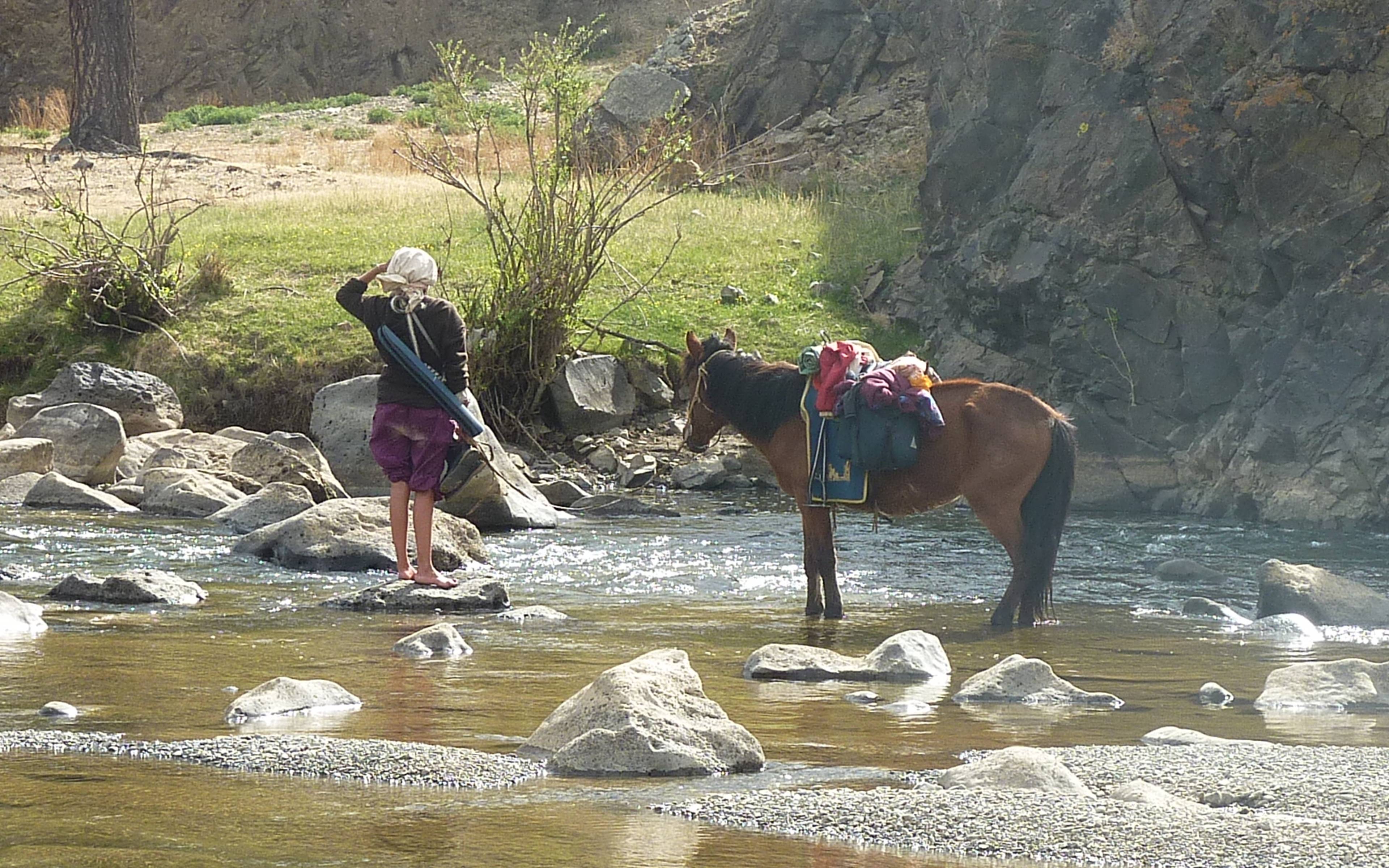
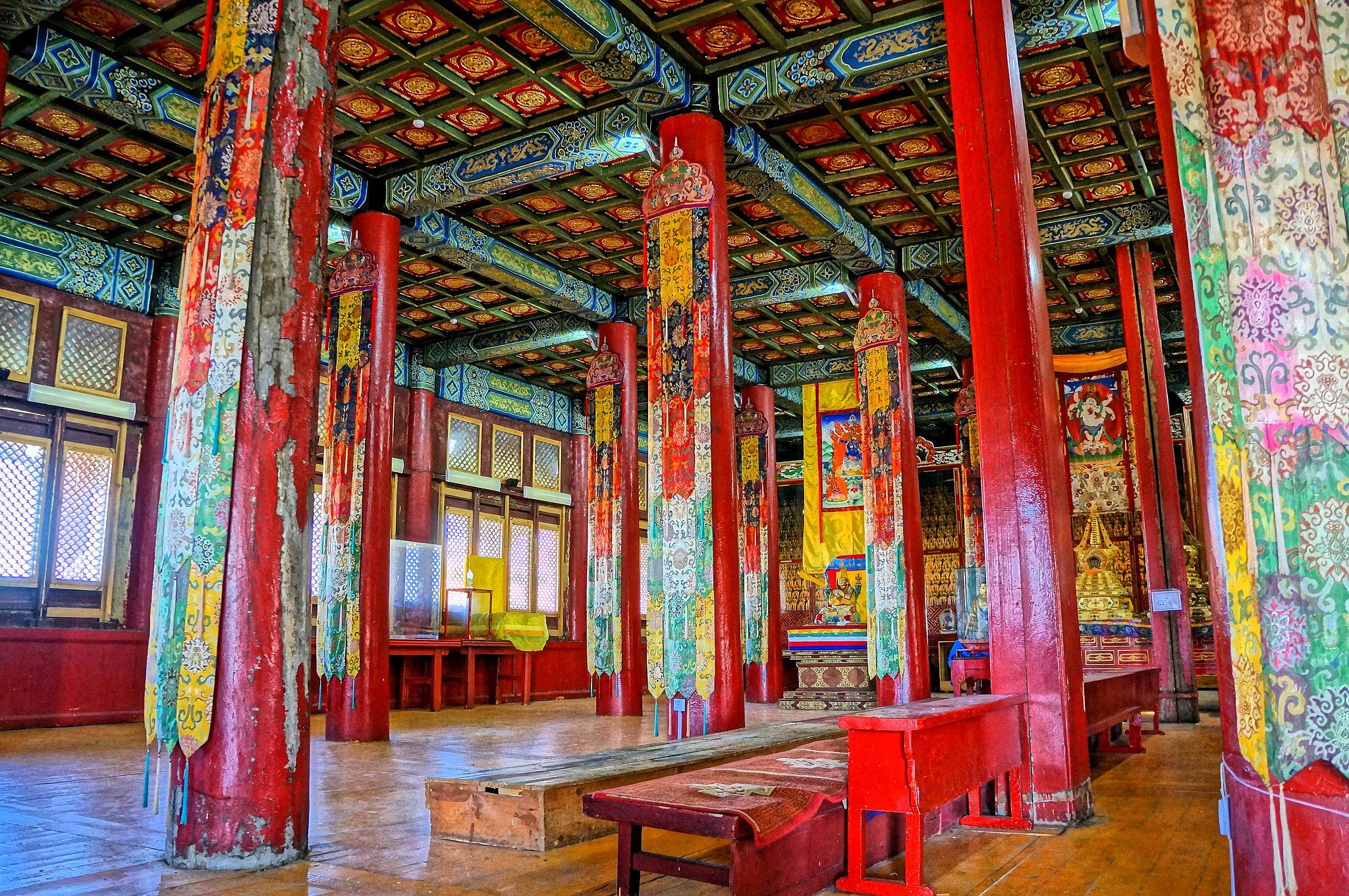
It would be a real shame to restrict a trip to Orkhon Valley to just visits to the Erdene Zuu Monastery in Karakorum and the Orkhon waterfalls. In fact, could there be a more wonderful place than this for the traveller who wants to fully immerse themselves in the nomadic lifestyle?
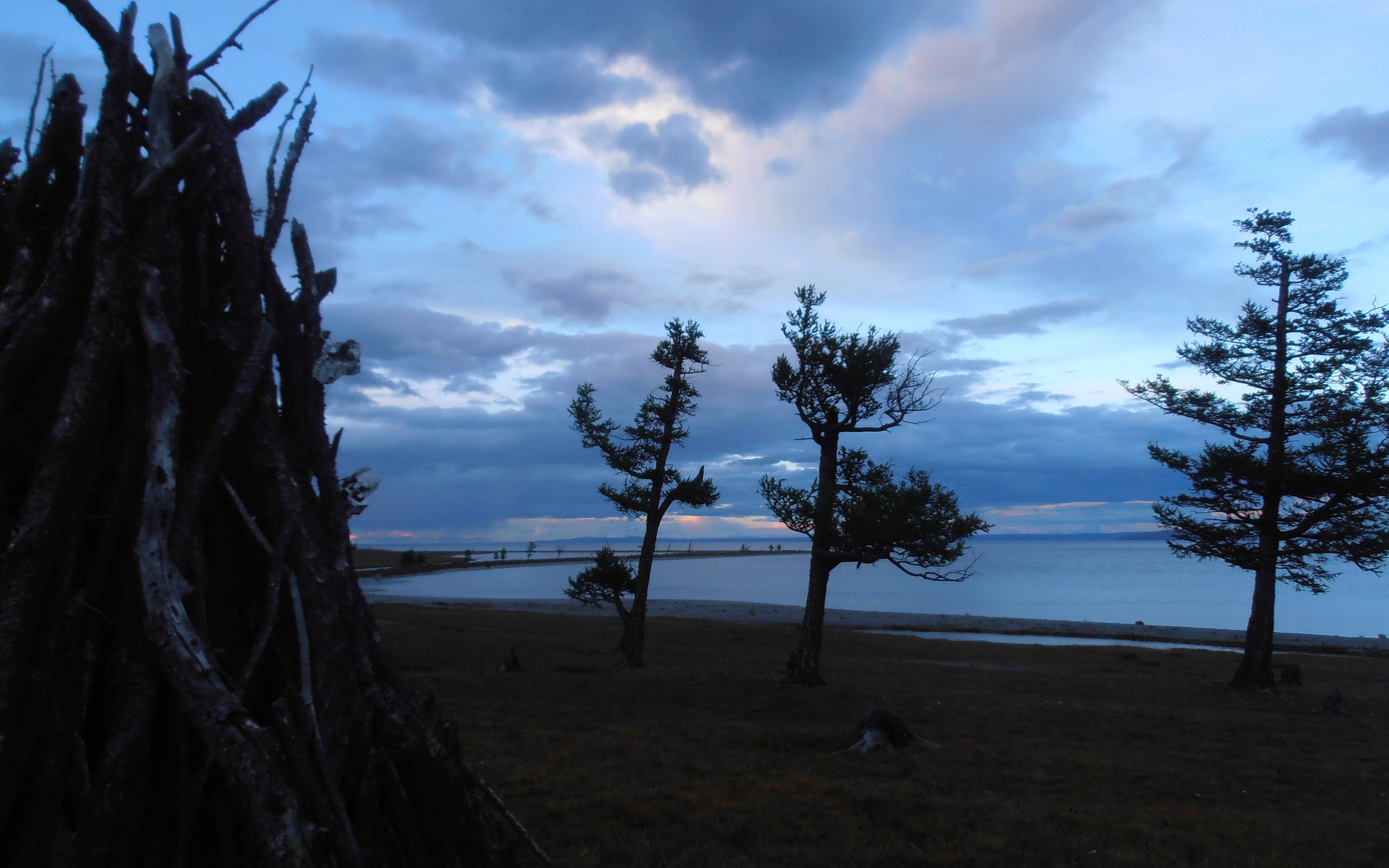
Lake Khövsgöl is considered sacred by the people who inhabit the area and is one of the few lakes in the world estimated to be several million years old. It's also the second largest of all the lakes you may encounter on your trip to Mongolia.
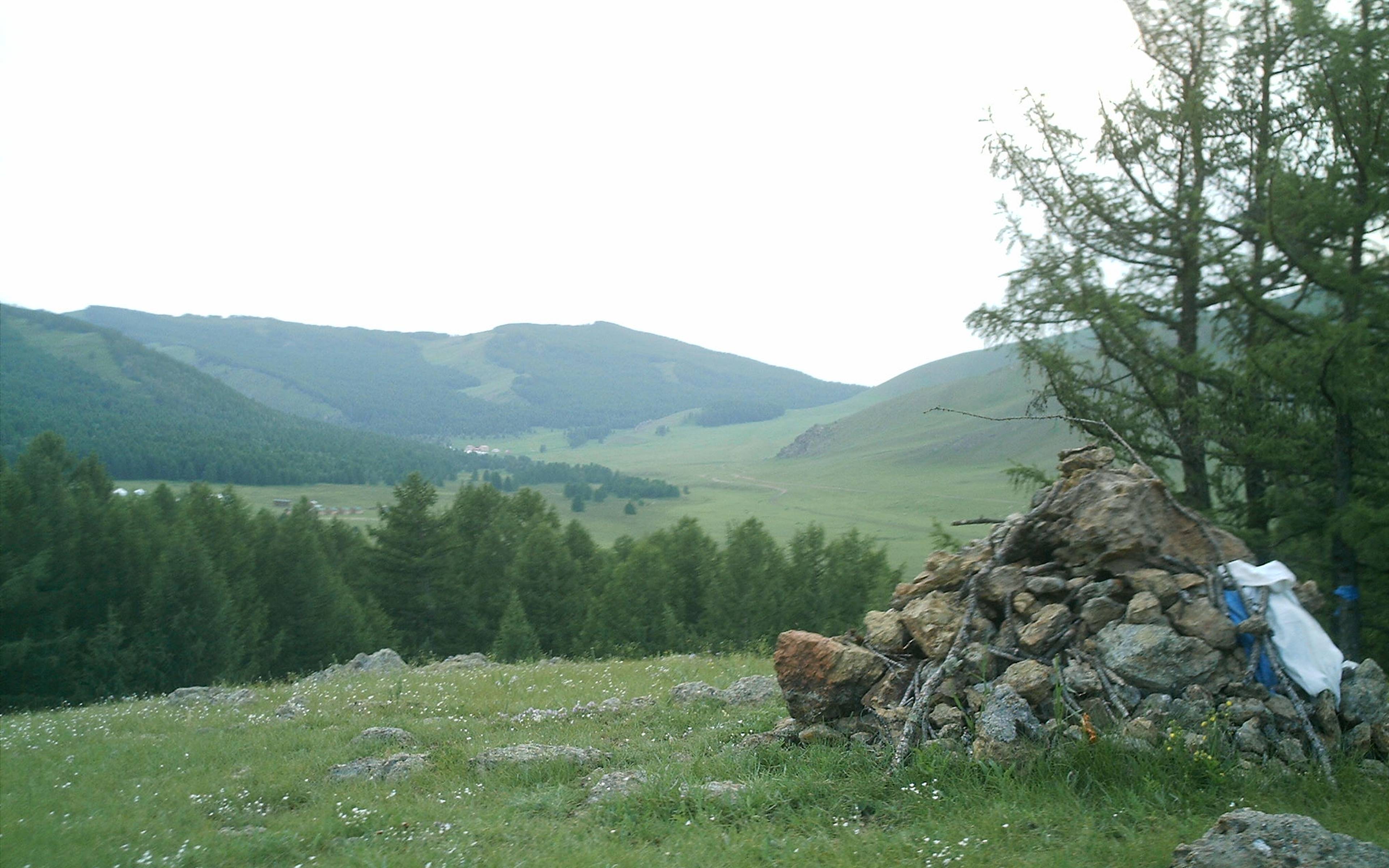
A favourite spot with city-dwellers who come to unwind, the Gorkhi Terelj National Park is famous for its huge, granite rocks and sublime, Alpine surrounds. 
Lying in the extreme west of Mongolia, next to the Chinese and Russian borders, Bayan-Ölgii is the highest aimag (province) in the whole country.
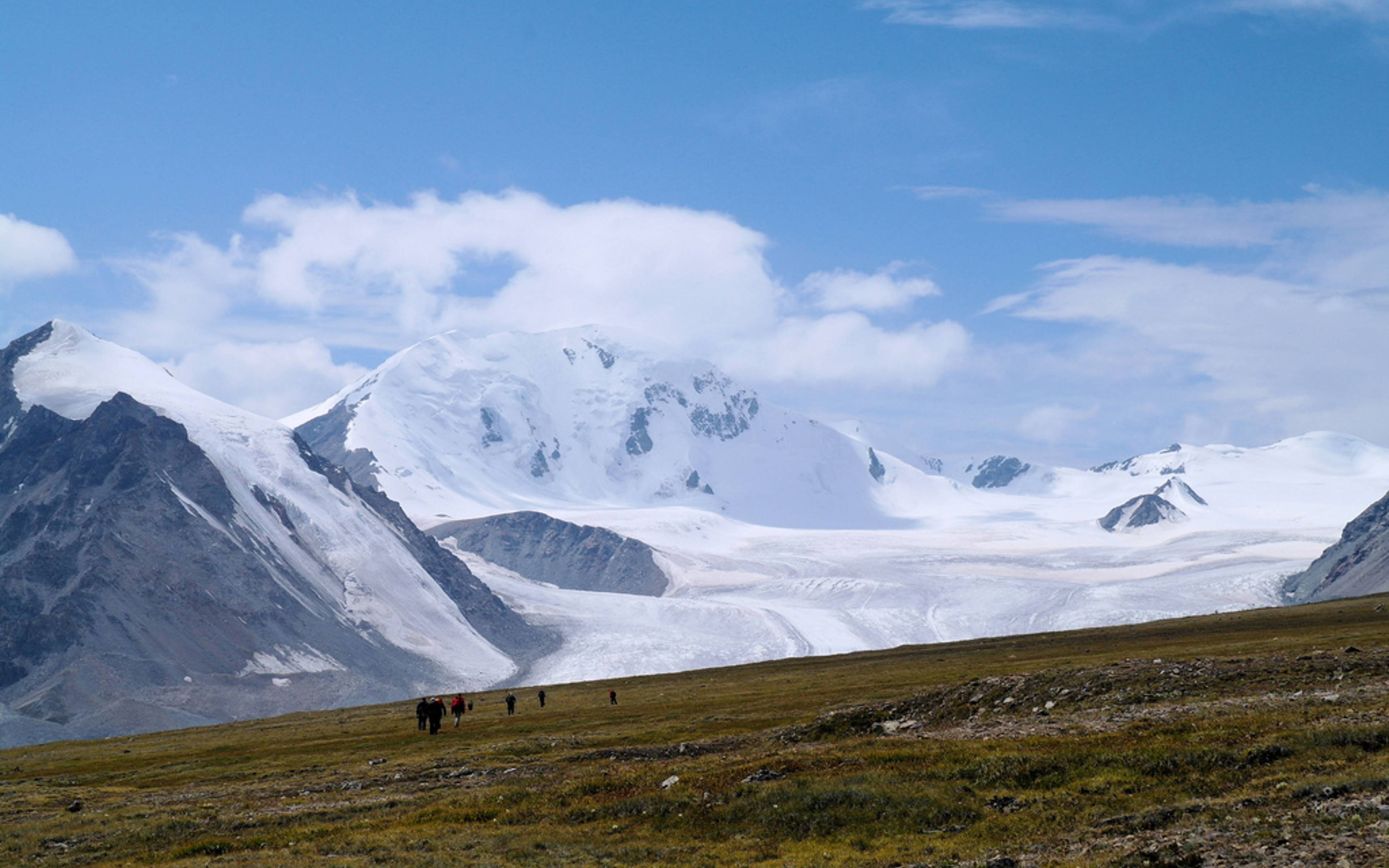
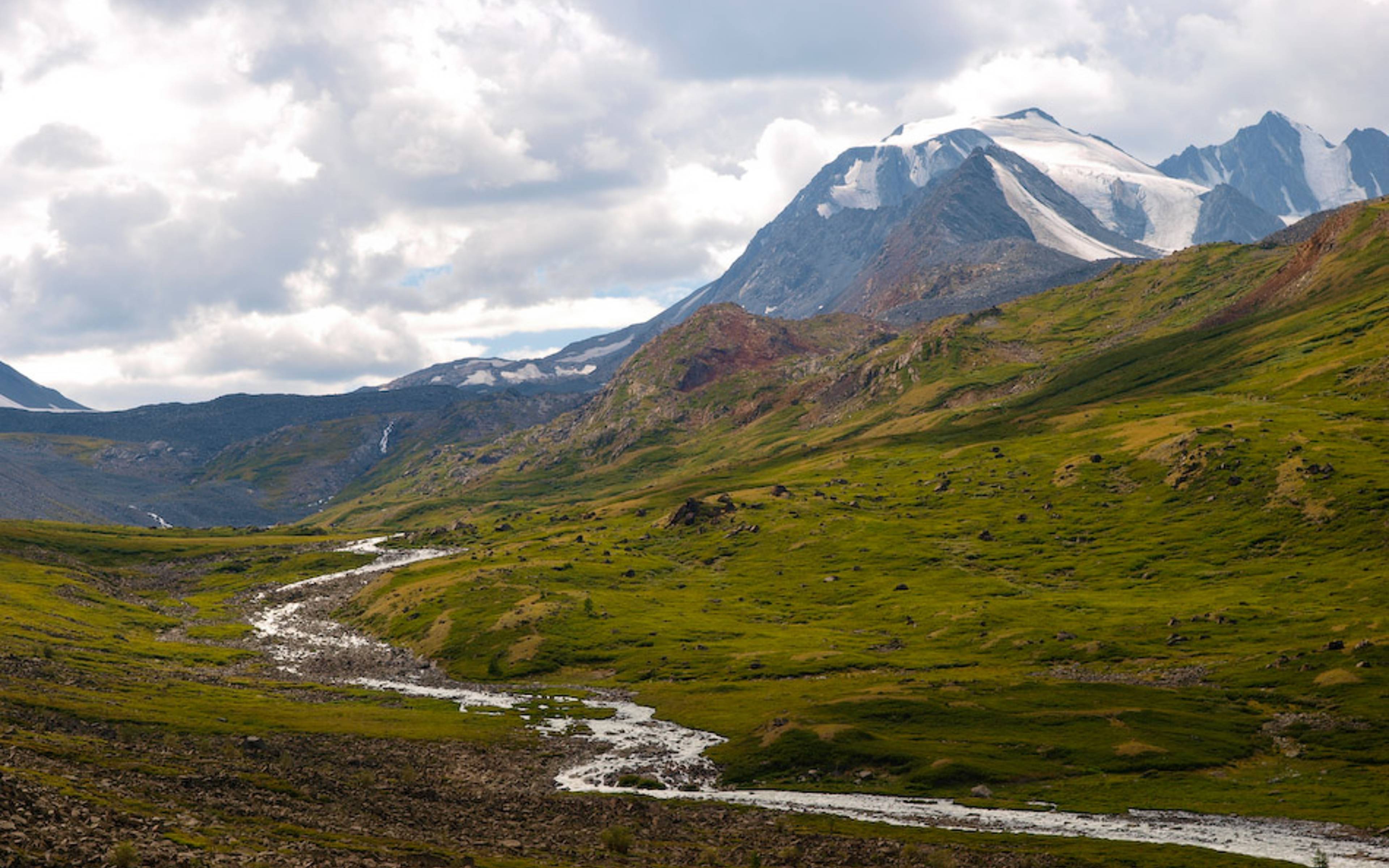
Tavan Bogd, in Bayan-Ölgii Province, is the highest mountain massif (4,380 m) in Mongolia. The national park that shares its name extends over an area of 6,400 km².
With its amazing animals, insects, plants, mosses and lichen, at only 95km from Ulan Bator, the Khustai National Park is a must-see in Mongolia.
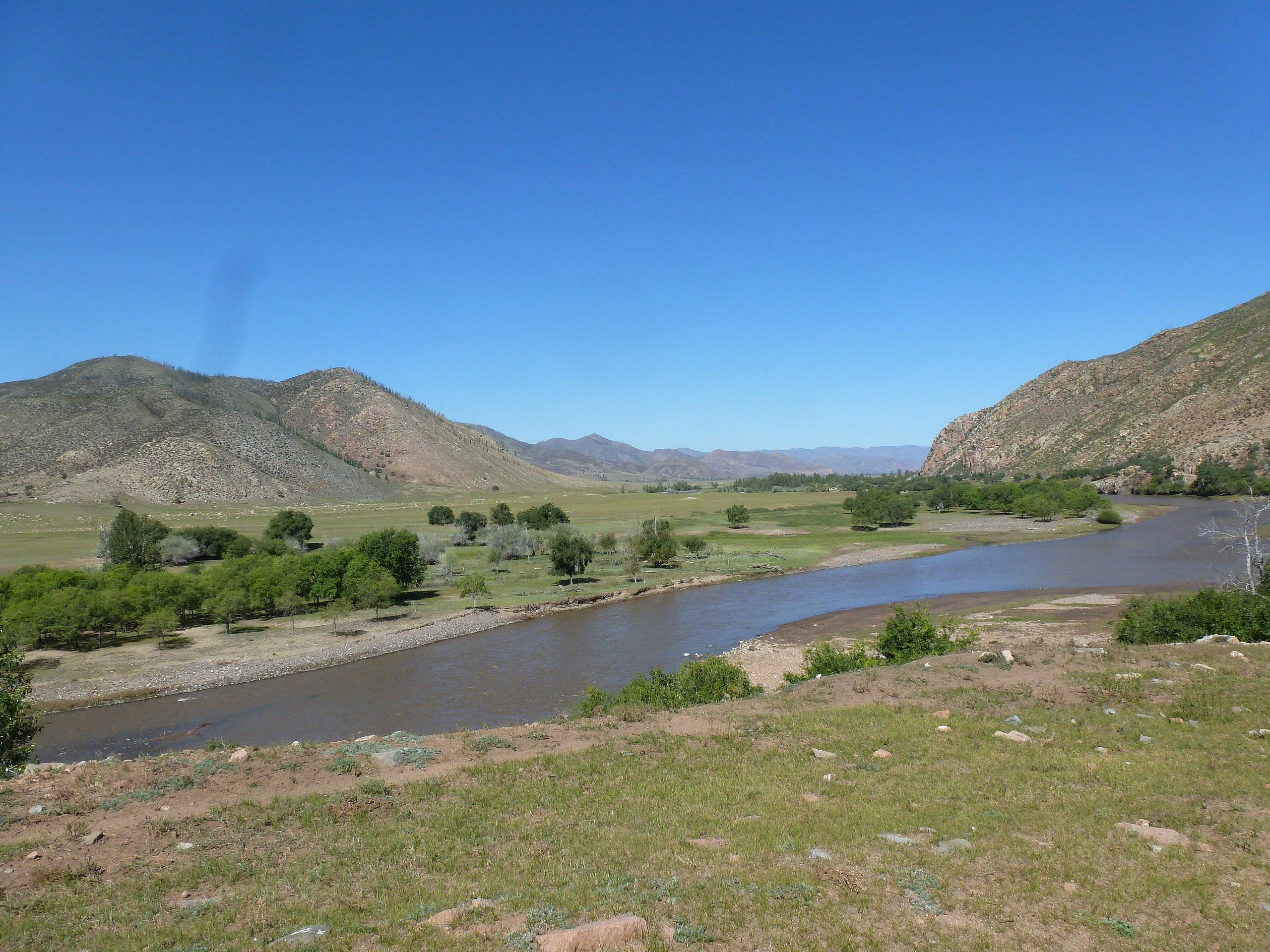
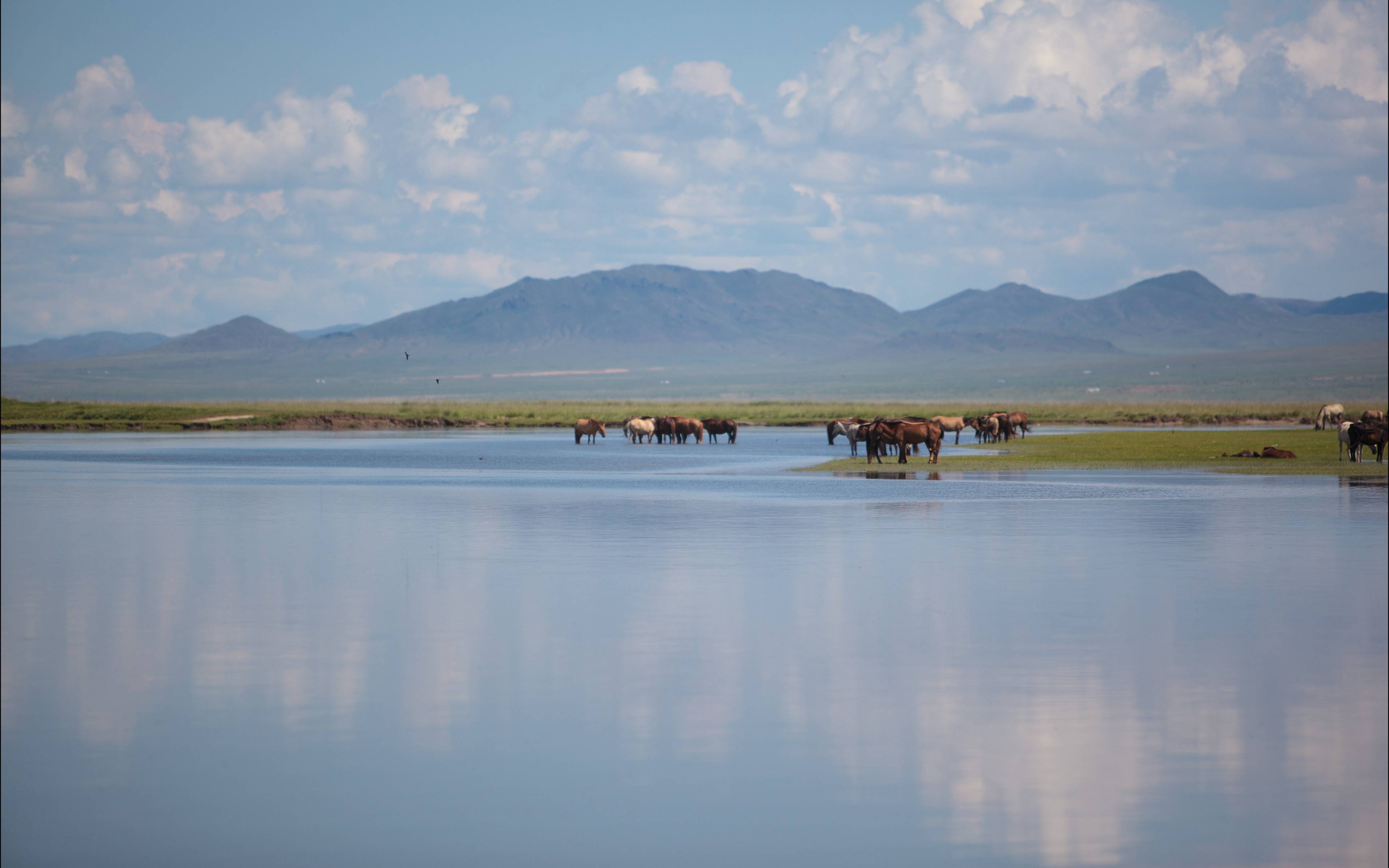
The Chuluut River stems from the Hangay Mountains and flows up to the north of Arkhangai Province, where it joins three other rivers, the Ider, Delgermurmun and Selenga.
Mount Turgen rises above a vast semi-desertic landscape comprising of steppe and tundra.
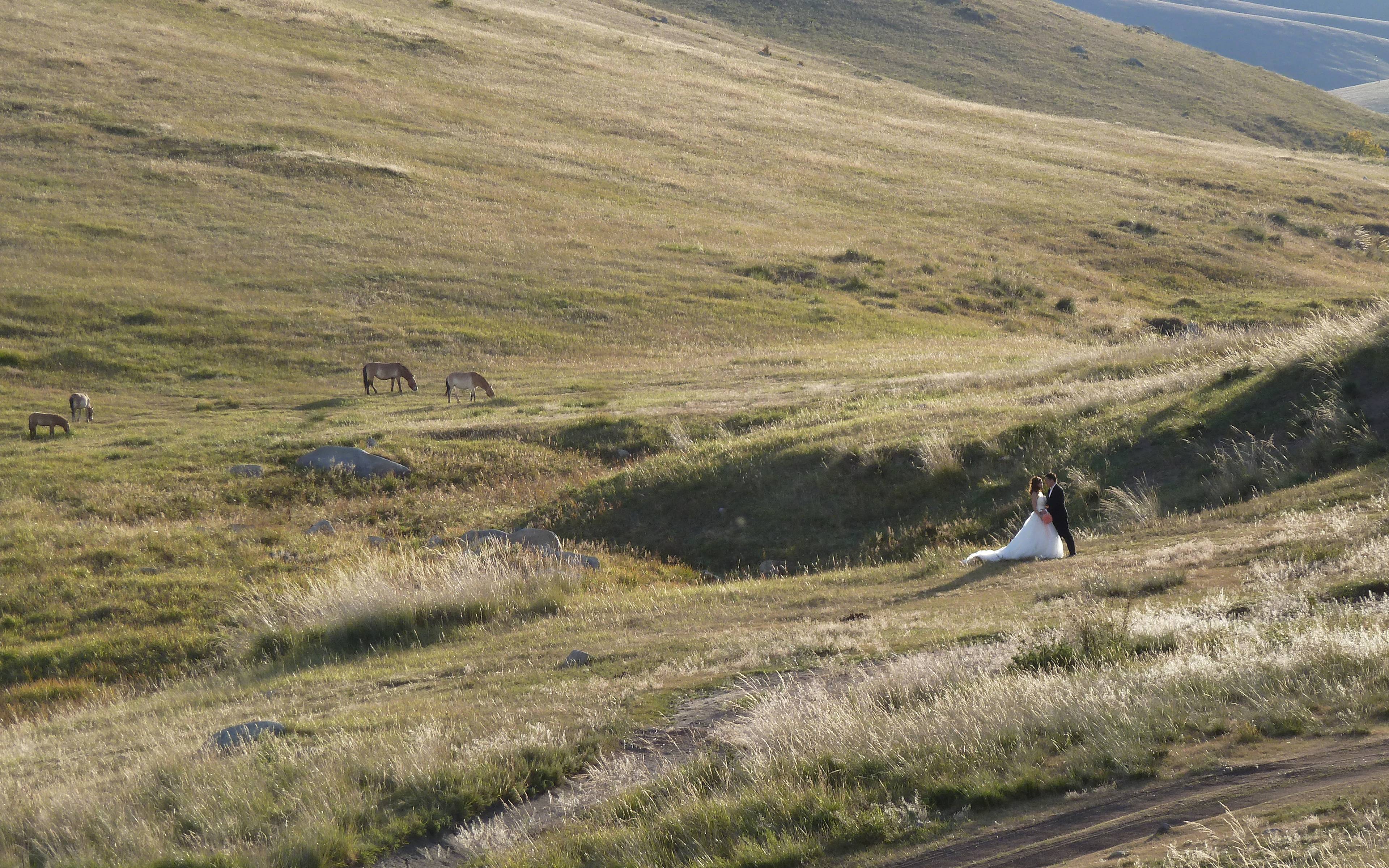
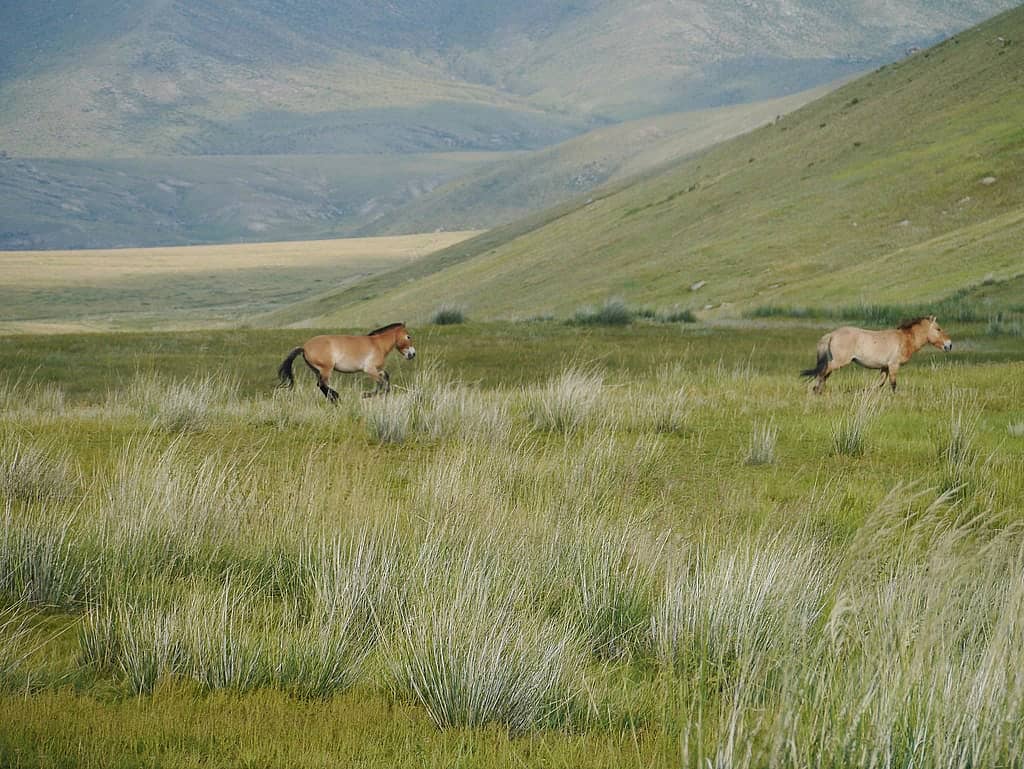
Declared a national park in 1993, the Khustain Nuruu is famous for its rare Przewalski horses, a breed that has been the focus of a major conservation project.
The Mongolian Altaï begins to the southeast of the Great Altaï and runs as far as the Gobi, which sits to the east and south of the range. It's name in Mongol means 'mountains of gold'.
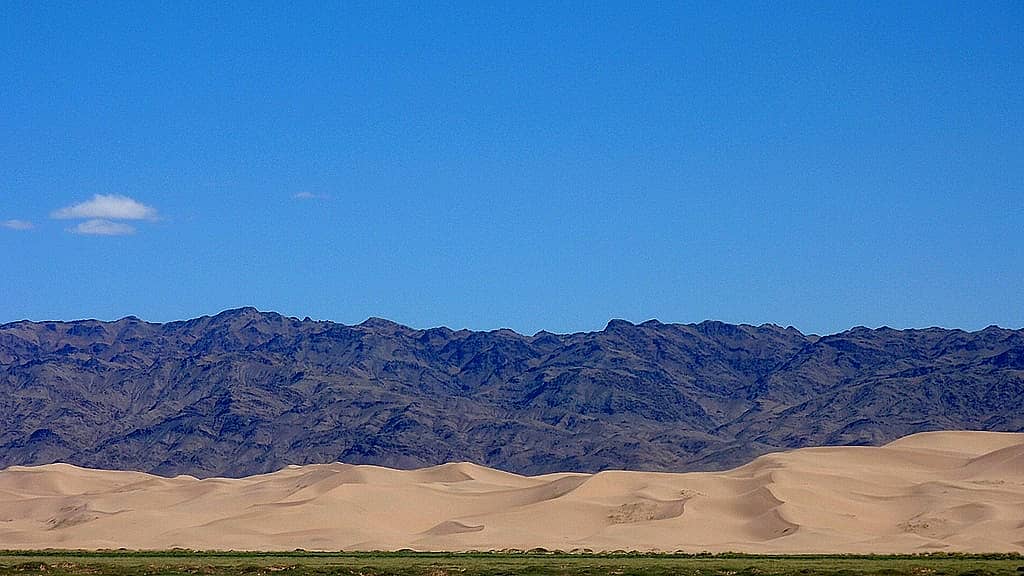
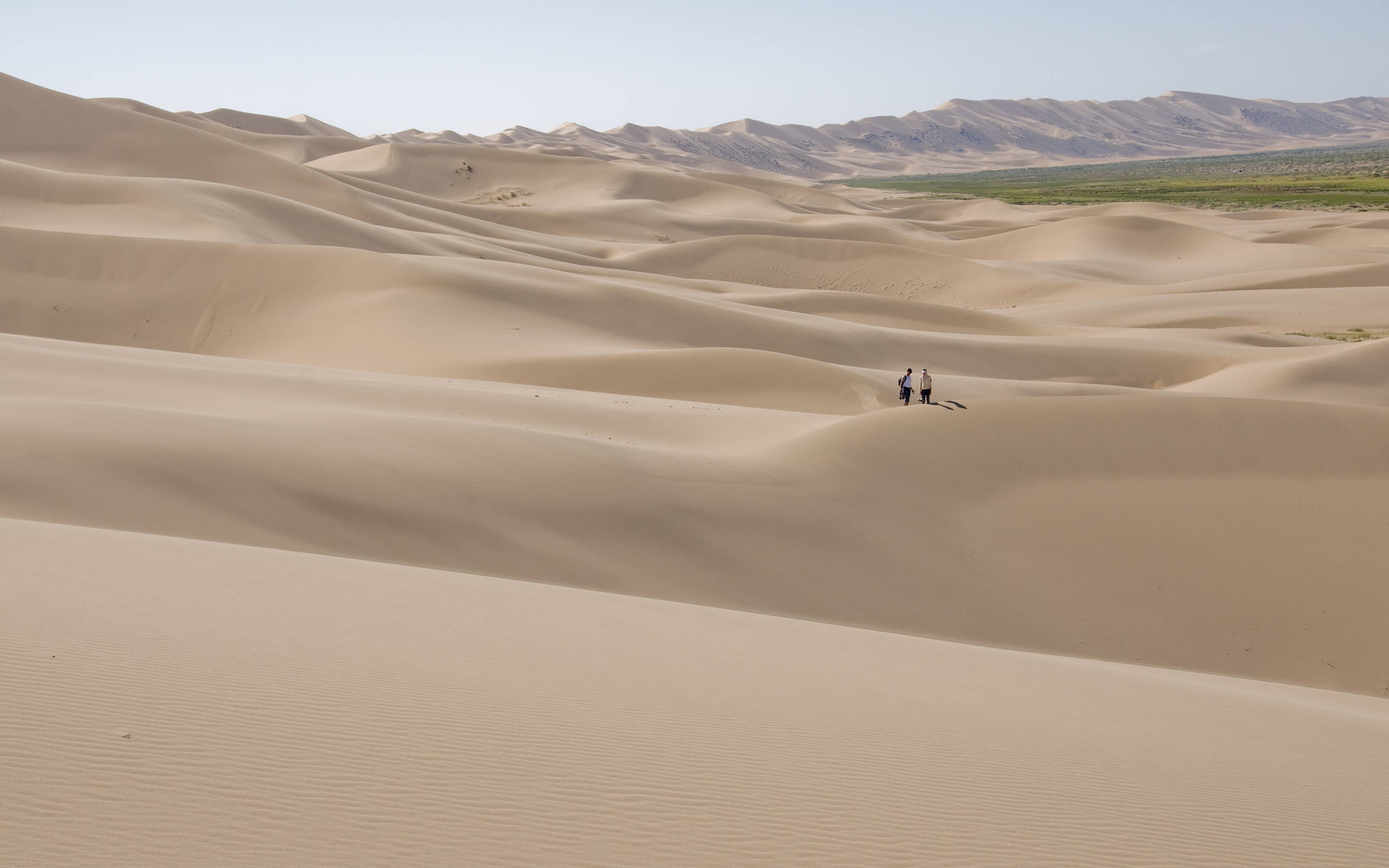
The dunes of Khongoryn Els are the largest and most spectacular in the whole of Mongolia.
The Gobi Desert

Gobi

4.7
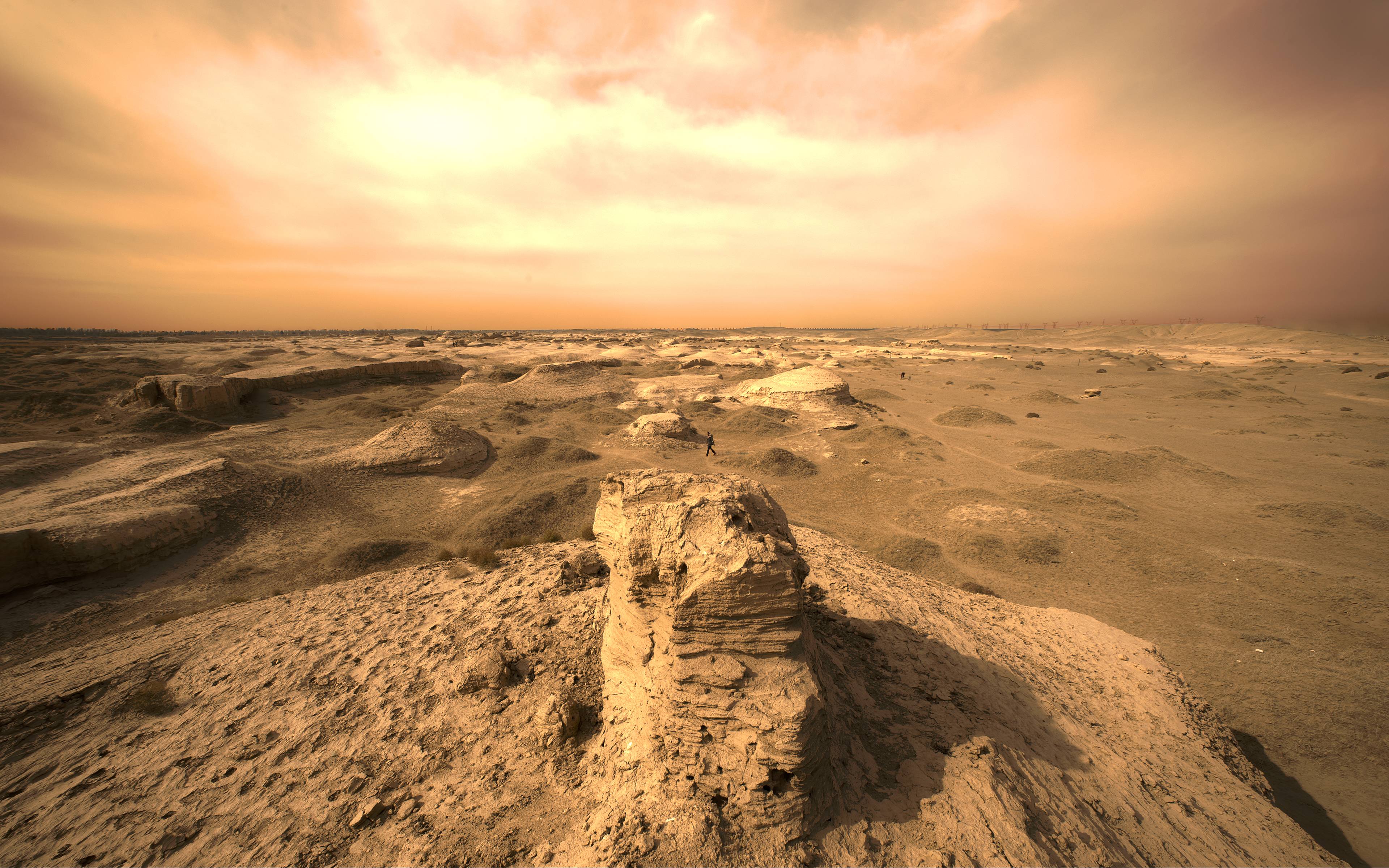
The Gobi Desert is an impressive region that boasts a remarkable landscape. A moment of inspiration, where a rich palette of colours paint the surrounds.
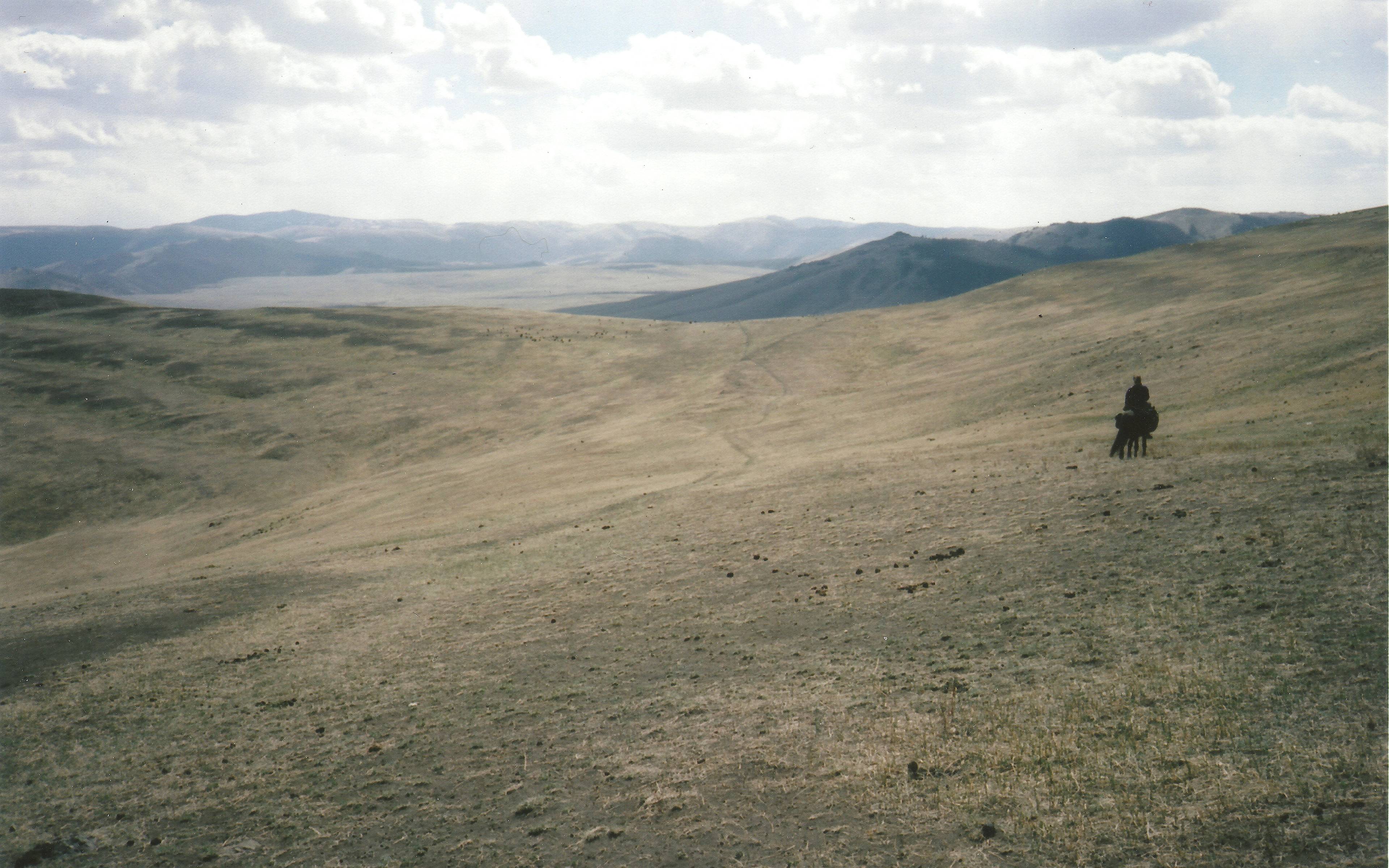
Arkhangai is a stunning central Mongolian 'aimag' or province that's dotted with forests and lakes. It's name can be translated as 'Northern Hangay', as it circles part of the Hangay range. 
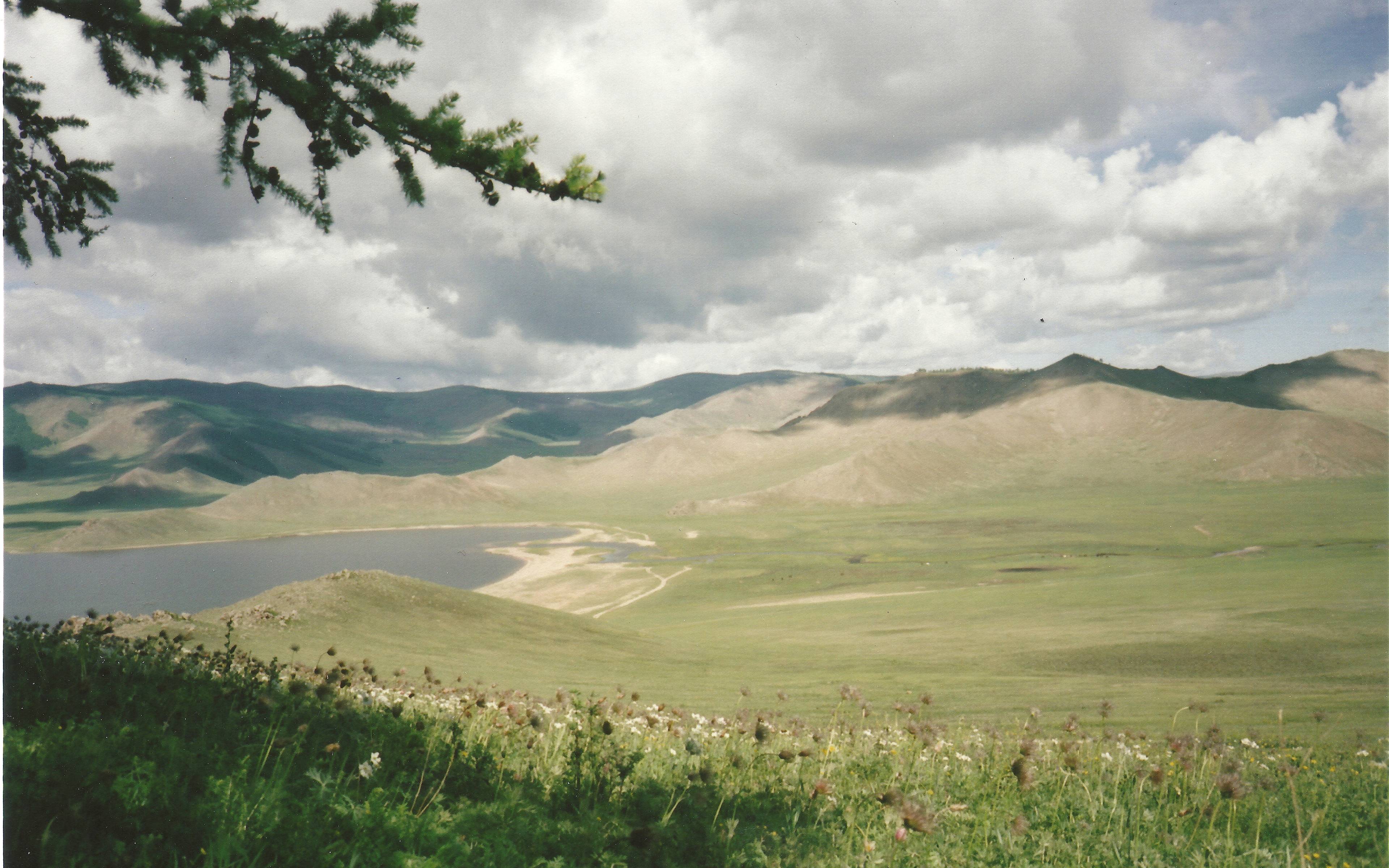
Lake Terkhiin Tsagaan is a stunning lake that was formed after the Khorgo Volcano erupted At 61km long and 2,060m high, it's situated in the Arkhangaï province.
The Selenga is a confluent of the River Ider. It's mouth is in Mongolia's Khangaï Mountains and this majestic river forms a delta as it reaches Lake Baïkal in Russia. It flows along a staggering 1,470km!
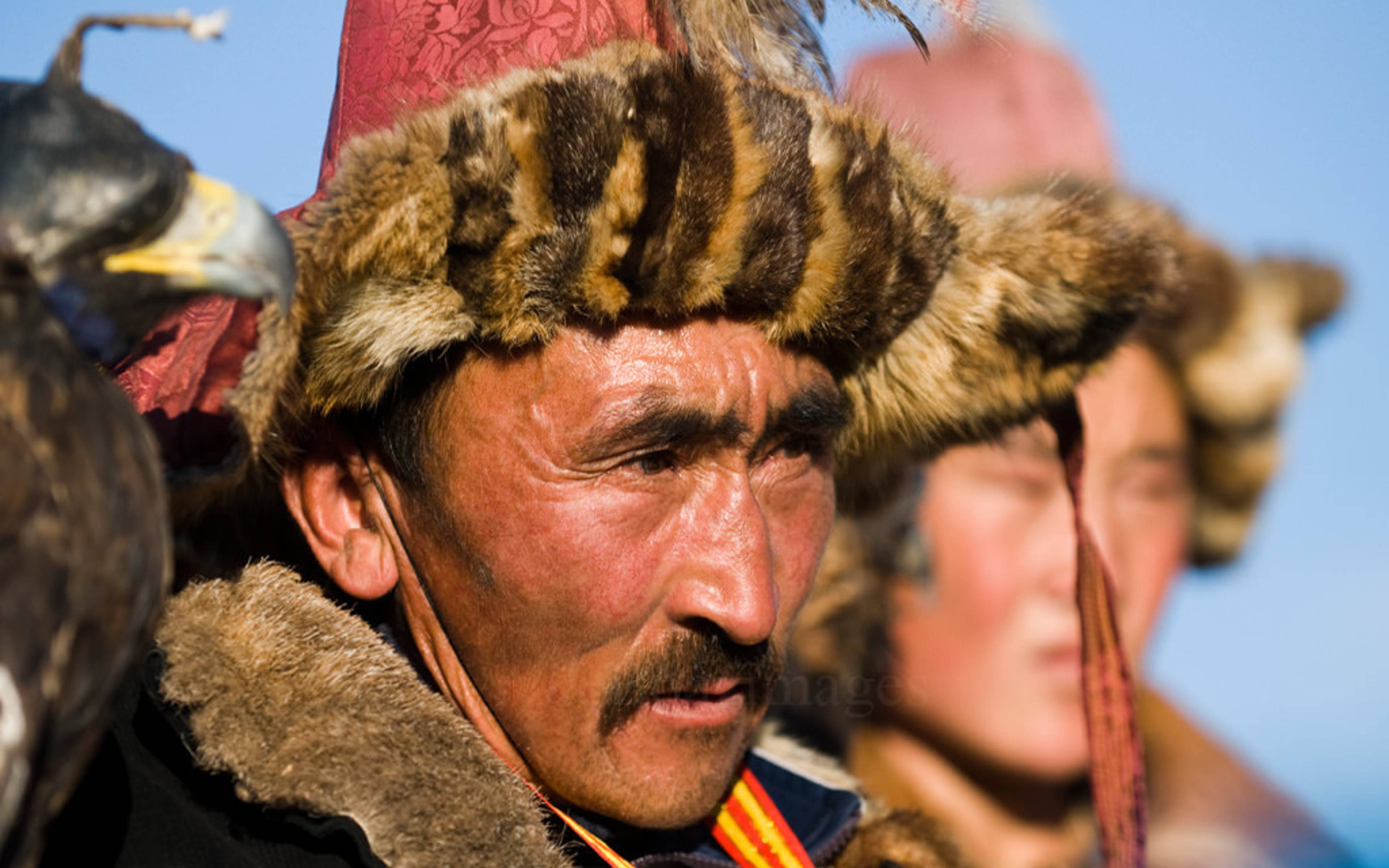
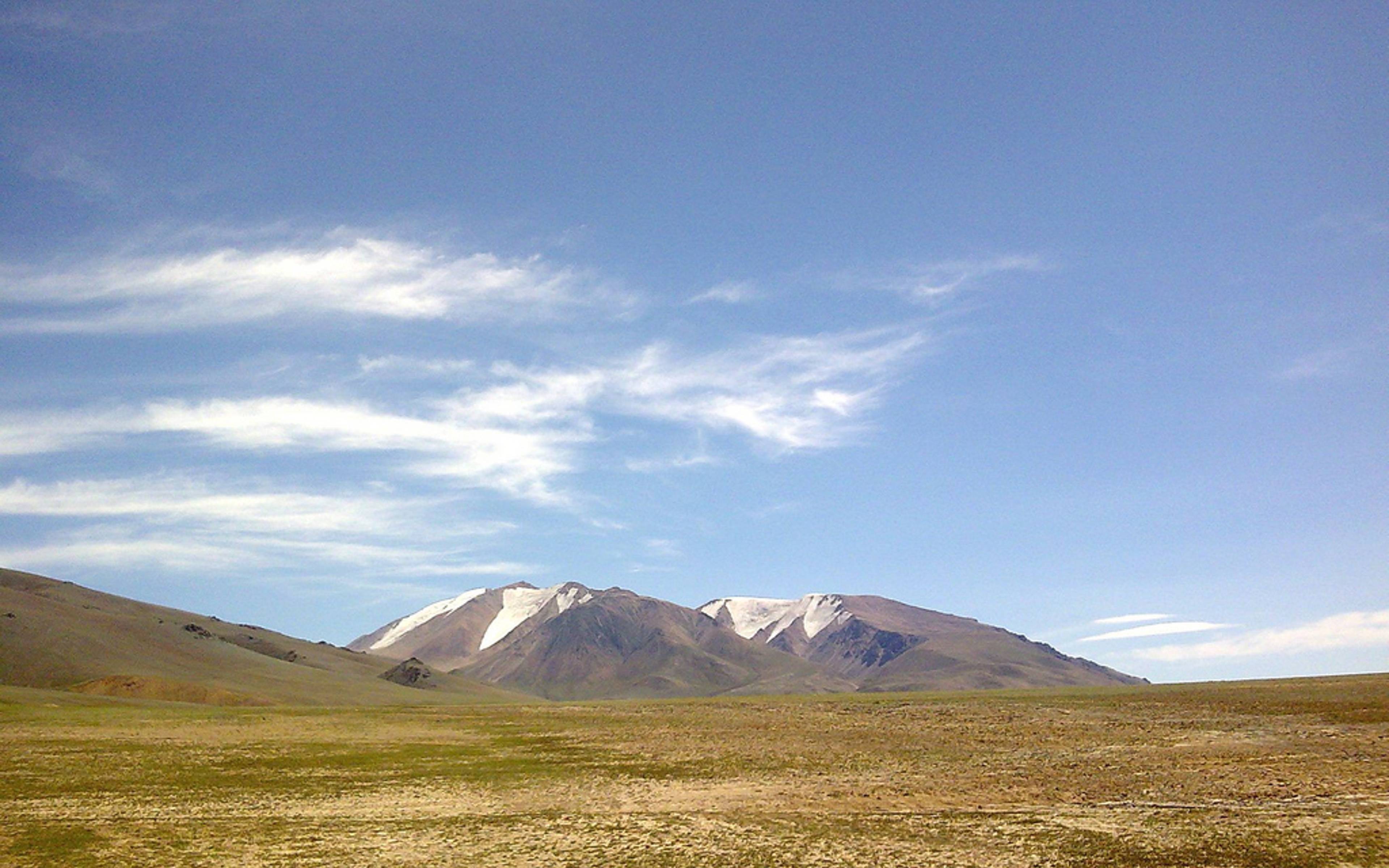
Situated in the west of Mongolia, Tsambagarav's summit is 4,200m high. The region's nomads consider it a sacred mountain.
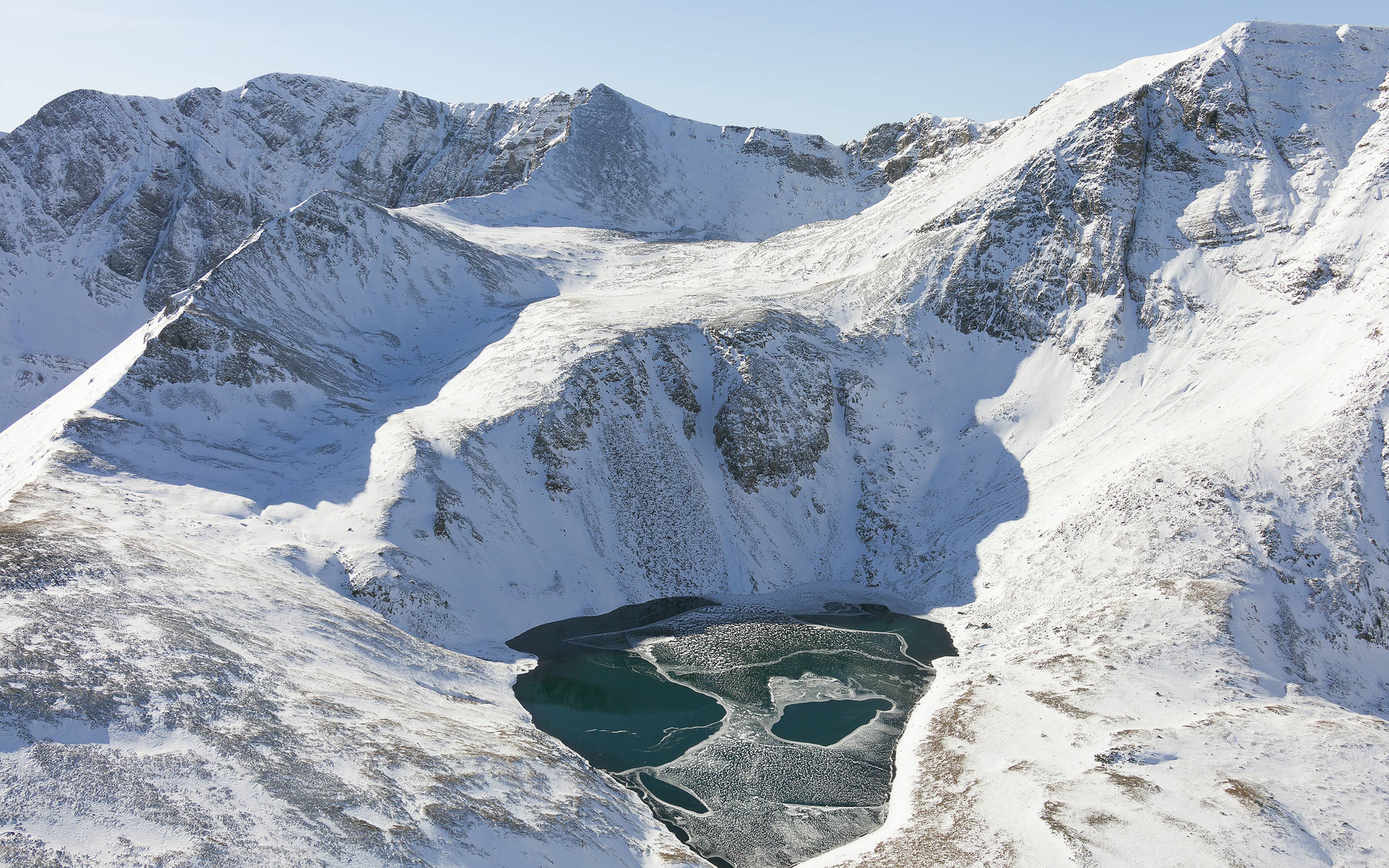
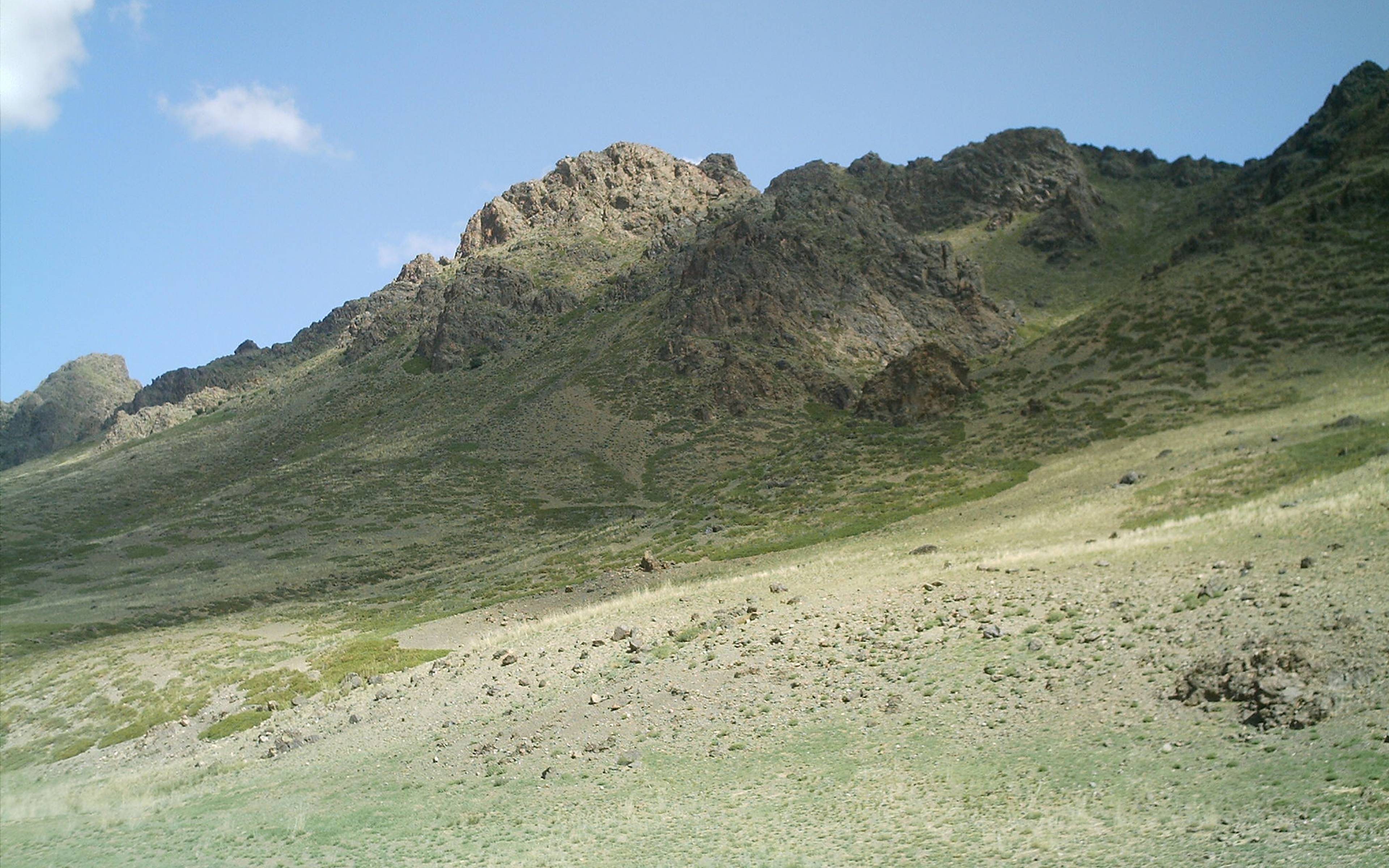
Yolyn Amis situated in the Gobi Desert and is famous for glaciers that don't melt, even in the scorching summer heat. Sadly, the glaciers have been receeding in recent years.
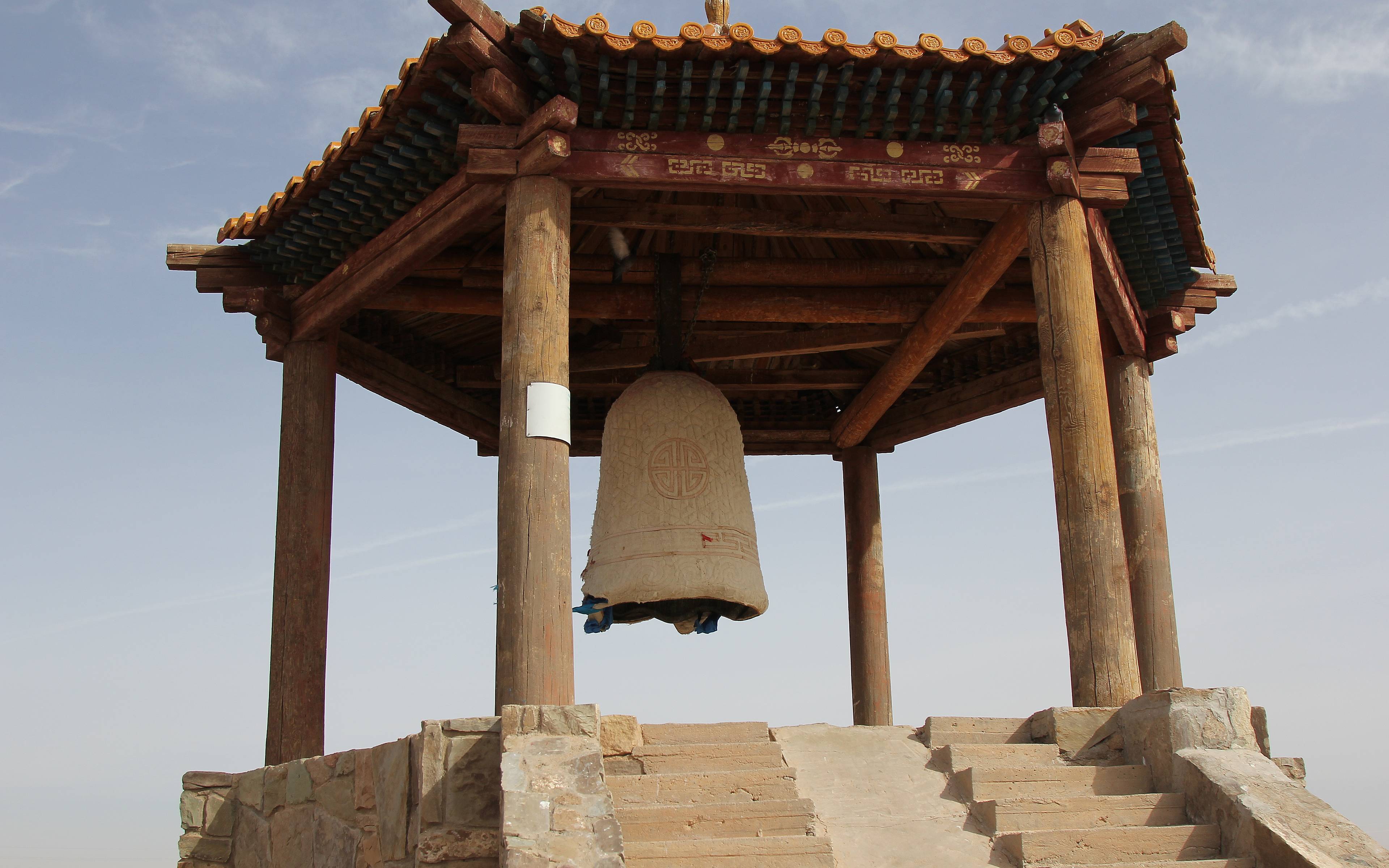
The sacred site of Shambala is situated in the Gobi desert. It is a pleasant cultural visit for those who are interested in religions and who wish to immerse themselves in a different world for a few hours.
Amarbayasgalant Monastery, whose name means "Monastery of Tranquil Felicity", is one of the three main centres for Buddhism in Mongolia.
At 27,000 km² in area, Gurvansaikhan is the largest National Park in Mongolia.
12